Introduction
Thanksgiving is a time for family gatherings and delightful feasts, and what better way to celebrate than with a beautifully decorated cake? This year, instead of the usual pies, embrace the festive spirit with unique Thanksgiving cakes that are as delicious as they are visually appealing.
These cake ideas not only highlight seasonal flavors but also offer easy decorating techniques that anyone can master. Whether you're an experienced baker or just starting your culinary journey, you'll find inspiration to create stunning centerpieces for your Thanksgiving table.
Ingredients
- 2 cups all-purpose flour
All-purpose flour is the foundation of your cake, providing the necessary structure and stability. It will give the cake a soft and tender crumb when combined with the right ingredients. - 1 ½ cups granulated sugar
Sugar sweetens the cake and contributes to its moisture. It also plays a key role in creating a golden crust, adding to the cake's attractiveness. - ½ cup unsalted butter, softened
Butter enriches the cake's flavor and contributes to its tenderness. The fat content helps trap air when creamed with sugar, resulting in a lighter texture. - 3 large eggs
Eggs are essential for binding the ingredients together and adding moisture. They also provide structure and help the cake rise during baking. - 1 cup buttermilk
Buttermilk adds both moisture and a slight tang to the cake, balancing the sweetness. The acidity reacts with baking soda or powder for a lofty rise. - 2 tsp baking powder
Baking powder is a leavening agent that causes the cake to rise. It creates small bubbles in the batter, resulting in a light and fluffy cake. - 1 tsp vanilla extract
Vanilla extract enhances the overall flavor of the cake, adding a warm, aromatic quality that complements the other ingredients. - 1 tsp cinnamon
Cinnamon brings a warm, spicy flavor that evokes the essence of fall and Thanksgiving. Its scent is comforting and inviting. - 1/2 tsp nutmeg
Nutmeg adds a subtle earthiness that pairs beautifully with the cinnamon and enriches the flavor profile, making it ideal for seasonal desserts. - 1/4 tsp salt
Salt is crucial for balancing sweetness and enhancing the overall flavor of the cake. It helps to bring out the other ingredients.
Directions & Preparation
Step 1: Preheat the oven to 350°F (175°C).
Preheating the oven ensures that your cake bakes evenly and thoroughly. Starting with an adequately heated oven creates the right environment for the leavening agents to activate, leading to a fluffy texture. Avoid opening the oven door frequently to maintain a consistent temperature.
Step 2: Grease and flour two 9-inch round cake pans.
Proper greasing and flouring of your pans prevents the cake from sticking, making it easier to remove after baking. This ensures a smooth release and preserves the cake’s shape. Alternatively, you can use parchment paper for an extra layer of protection.
Step 3: In a mixing bowl, cream the softened butter and sugar until light and fluffy, about 3-4 minutes.
Creaming the butter and sugar incorporates air into the mixture, which is vital for a light cake. The fluffy texture forms from the sugar crystals cutting into the butter, creating tiny air pockets that expand during baking.
Step 4: Add the eggs one at a time, mixing well after each addition.
Adding the eggs individually helps fully incorporate them into the batter, promoting even blending. This step is crucial as it contributes to the structure and moisture of the cake, ensuring a consistent texture throughout.
Step 5: Stir in the buttermilk and vanilla extract until well combined.
The buttermilk not only adds moisture but also helps to activate the baking powder. Mixing well at this point ensures that the wet ingredients are evenly distributed, leading to a uniform cake.
Step 6: In another bowl, whisk together the dry ingredients: flour, baking powder, cinnamon, nutmeg, and salt.
Whisking the dry ingredients together ensures even distribution of the leavening agents and spices. This preparation step prevents clumps and promotes a consistent flavor and texture in your cake.
Step 7: Gradually add the dry mixture to the wet ingredients, mixing just until combined.
Over-mixing can lead to a dense cake, as it develops gluten in the flour. Mixing until just combined ensures that the batter remains light and airy, contributing to a tender crumb.
Step 8: Divide the batter evenly between the prepared pans.
Dividing the batter evenly ensures both layers of cake bake at the same rate, which is crucial for achieving uniform cakes. This step makes it easier when it comes to stacking and decorating your layers.
Step 9: Bake for 25-30 minutes or until a toothpick inserted into the center comes out clean.
Baking the cakes until a toothpick comes out clean indicates that they are properly cooked without being overdone. Timing may vary, so keeping an eye on them towards the end is essential for achieving perfect doneness.
Step 10: Allow the cakes to cool in the pans for 10 minutes, then transfer to wire racks to cool completely.
Cooling the cakes gradually in the pan helps maintain their structure. Transferring them to wire racks allows air to circulate around the cakes, preventing them from becoming soggy and ensuring they cool evenly.

Decorative Frosting Techniques
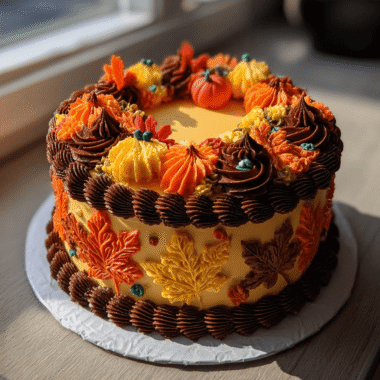
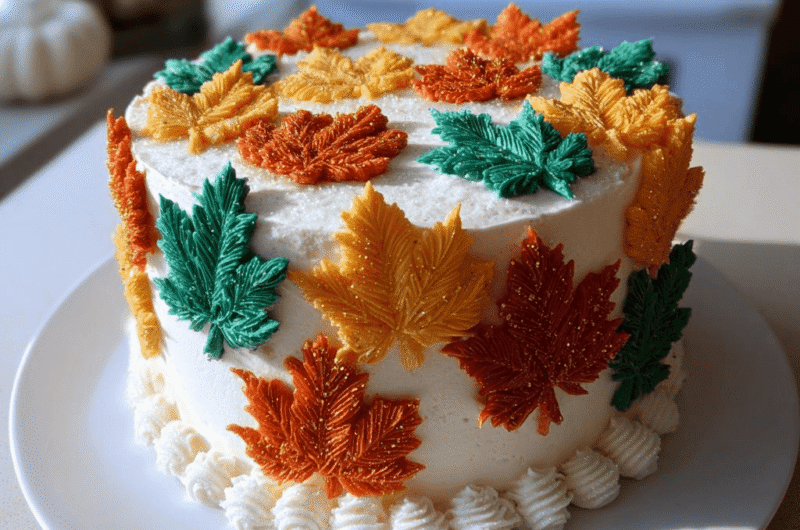
Frosting plays a crucial role in the cake's visual appeal, and there are numerous techniques you can employ to make your Thanksgiving cake stand out. Consider using a spatula for a rustic look, or a piping bag for intricate designs. Add seasonal colors like orange and brown for a festive touch, or incorporate edible decorations like fall leaves or mini pumpkins to enhance the theme.
Flavor Pairing Ideas
When it comes to Thanksgiving, flavor combinations can elevate your cake to another level. Pair the base cake with enticing frostings such as maple cream cheese or spiced buttercream to highlight seasonal flavors. Consider adding layers of apple or pear compote between the cake layers for an unexpected twist that echoes traditional Thanksgiving desserts.
Designing a Festive Cake Top
The cake top is your canvas, and it's especially important for a festive occasion like Thanksgiving. Use simple decor like candied nuts, edible flowers, or fresh cranberries to create an eye-catching centerpiece. Alternatively, consider a themed cake topper, such as a turkey or fall foliage, to tie in the Thanksgiving spirit beautifully.
FAQs
What if my cake batter is too thick?
If your cake batter is too thick, consider adding a bit more buttermilk, a tablespoon at a time, until you reach the desired consistency. A well-balanced batter should flow easily but still hold some shape.
How can I make my frosting more flavorful?
If your frosting tastes bland, try enhancing it with additional extracts, such as almond or maple, or add a pinch of salt to balance the sweetness. You can also fold in a bit of finely grated citrus zest for a fresh twist.
Why did my cake dome in the center?
A domed cake can occur if you have too much batter in the pans or if your oven temperature is too high. Ensure accurate oven temps and use even measurements for batter distribution.
What can I substitute for buttermilk?
If you don't have buttermilk on hand, substitute it with a mixture of milk and vinegar or lemon juice. Just add one tablespoon of acid to a cup of milk and let it sit for 5-10 minutes before using.
How can I keep my layers from sticking to each other when stacking?
To prevent sticking, make sure the cakes are completely cooled before stacking. Using a layer of frosting or ganache in between will also help create a barrier that prevents adhesion.
What should I do if my cake is too dry?
If your cake is too dry, it may have been overbaked or lacked enough liquid. Try brushing the layers with simple syrup before frosting them to add moisture back in.
Conclusion
Baking a Thanksgiving cake allows you to infuse your celebration with creativity and indulgence. By selecting seasonal flavors and simple decorating techniques, you can create a stunning dessert that delights your guests.
Remember to have fun with the process and let your personality shine through in your cake design. With these ideas, you’ll surely impress your family and friends at the Thanksgiving table.
Recipe Card
Notes
Additional serving suggestions: pair with a crisp salad, garlic bread, or roasted seasonal vegetables for balance.
For make-ahead, prep components separately and assemble just before heating to preserve texture.
Taste and adjust with acid (lemon/vinegar) and salt right at the end to wake up flavors.