Introduction
Thanksgiving is a time for cherished traditions, heartfelt gatherings, and, of course, an array of delightful desserts. While pies often steal the show, incorporating cakes into your Thanksgiving spread can add variety and impress your guests. The right cake can evoke the essence of the season with flavors that resonate with autumn.
From spiced pumpkin to rich pecan, many cake flavors can beautifully complement the Thanksgiving feast. Each slice of cake brings its own unique story and texture, making it a perfect centerpiece for your dessert table. In this article, we will explore several Thanksgiving cake flavors that are not only scrumptious but are also easy to prepare and share.
Ingredients
- 2 cups all-purpose flour
Flour provides the structure for the cake. It helps in developing gluten, giving the cake a firm yet tender texture. - 1 ½ cups granulated sugar
Sugar sweetens the cake and aids in the browning process during baking. It also helps create a moist texture, balancing flavors. - 1 cup unsalted butter, softened
Butter enriches the cake and adds moisture, contributing to a tender crumb. It also helps in flavoring the cake, making it more appealing. - 4 large eggs
Eggs act as a binding agent, providing structure and stability to the cake. They also enhance flavor and color. - 1 cup buttermilk
Buttermilk adds tanginess to the batter and works with baking soda to produce a lighter texture. It helps to keep the cake moist. - 1 tablespoon vanilla extract
Vanilla enhances the overall flavor profile of the cake, lending a warm, comforting essence that complements other seasonal flavors. - 1 teaspoon baking powder
Baking powder acts as a leavening agent, helping the cake to rise and become light and airy during baking. - 1 teaspoon baking soda
Together with buttermilk, baking soda provides additional lift to the cake and helps achieve a tender, fluffy texture. - ½ teaspoon salt
Salt balances the sweetness of the cake and enhances the overall flavors. - 1 teaspoon ground cinnamon
Cinnamon introduces a warm spiciness that is synonymous with fall and enhances the cake's flavor, making it reminiscent of seasonal treats. - 1 cup pumpkin puree (optional)
Pumpkin puree adds moisture, richness, and a subtle sweetness, while also imparting a beautiful color to the cake. - ½ cup pecans, chopped (optional)
Chopped pecans introduce a wonderful crunch and nutty flavor, enhancing the cake's texture and making it more festive.
Directions & Preparation
Step 1: Preheat the oven to 350°F (175°C) and prepare the cake pans.
Preheating the oven ensures an even baking temperature right from the start, crucial for a well-risen cake. Prepare your 9-inch round cake pans by greasing them and lining the bottoms with parchment paper to prevent sticking.
Step 2: In a mixing bowl, cream together the softened butter and sugar until light and fluffy.
Creaming butter and sugar together introduces air into the batter, leading to a lighter cake. This step is vital for achieving the desired texture, so make sure to beat the mixture until it appears pale and fluffy.
Step 3: Add the eggs one at a time, mixing well after each addition.
Incorporating eggs gradually allows for proper emulsification, creating a uniform batter and enhancing the cake’s structure. Ensure each egg is fully mixed before adding the next to maintain consistency.
Step 4: Stir in the vanilla extract and pumpkin puree, if using, until combined.
Adding vanilla enhances the flavor, while the pumpkin puree not only contributes moisture but also enriches the taste. This step completes the wet mixture, providing a cohesive blend.
Step 5: In a separate bowl, whisk together the flour, baking powder, baking soda, cinnamon, and salt.
This dry ingredient mixture is essential for evenly distributing the leaveners and spices throughout the batter. Whisking ensures that there are no lumps, leading to a smoother cake texture.
Step 6: Gradually add the dry ingredients to the wet mixture, alternating with buttermilk.
Incorporating the dry ingredients gradually helps maintain the cake’s lightness and avoids overmixing. Alternating with buttermilk prevents the batter from becoming too thick, allowing for better texture.
Step 7: Fold in the chopped pecans if using, being careful not to overmix the batter.
Folding in the nuts gently incorporates them without deflating the aerated batter, ensuring a nice crunch in every bite. This adds a seasonal touch and enhances flavor, making the cake even more appealing.
Step 8: Divide the batter evenly between the prepared cake pans and smooth the tops.
Even distribution of the batter is key to ensure uniform baking. Smoothing the tops helps promote even rising and prevents any domed surfaces in the final cake.
Step 9: Bake for 25-30 minutes or until a toothpick inserted in the center comes out clean.
Baking for the right time is crucial; overbaking can lead to a dry cake, while underbaking can result in a gooey, unappetizing interior. Keep an eye on it in the last few minutes to ensure doneness without overcooking.
Step 10: Allow the cakes to cool in the pans for 10 minutes before transferring them to a wire rack to cool completely.
Cooling in the pans lets the crumbs set, reducing the risk of breaking when transferring. Once cooled slightly, moving them to a wire rack allows for airflow, preventing sogginess.
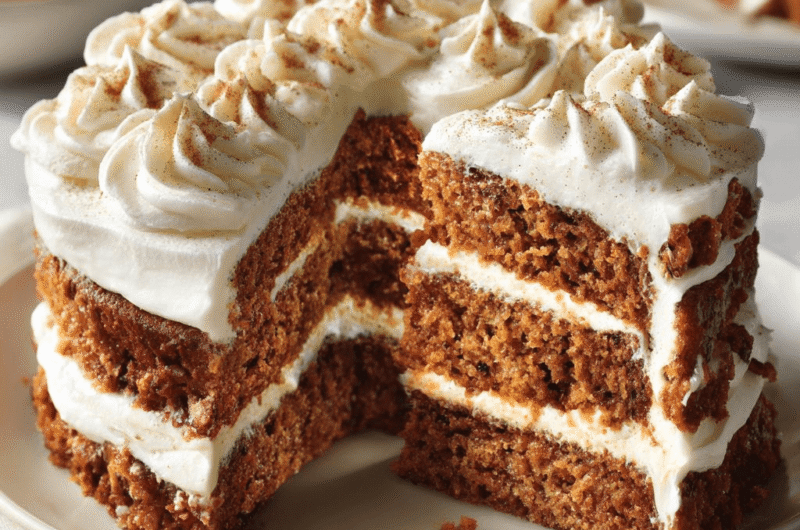
Step 11: Once cool, frost with your favorite cream cheese frosting or a spiced whipped cream.
Frosting not only enhances the flavor but also adds a beautiful finish to your cake. A spiced frosting ties in the seasonal flavors perfectly, making this cake a Thanksgiving standout.

Creating a Moist Cake
Achieving a moist cake is often a primary goal for home bakers. The combination of butter and buttermilk is essential for retaining moisture, while the right mixing technique ensures air is incorporated without overworking the batter. Introducing pumpkin puree serves not only as a flavor enhancer but also locks in the cake's moisture, resulting in a tender bite that keeps well.
Flavor Variations and Add-ins
While the base recipe offers classic flavors, exploring variations can make your Thanksgiving cake even more exciting. Consider integrating spices like nutmeg or ginger for an additional layer of warmth. You can also experiment with add-ins such as dried cranberries or a swirl of apple butter, which can surprise with bursts of flavor, staying true to the spirit of the holiday.
Frosting Options That Shine
The frosting is just as important as the cake itself, serving as the finishing touch that can elevate your dessert. A cream cheese frosting is a classic choice, blending sweetness with a rich tang that pairs beautifully with spiced cakes. Alternatively, cinnamon-spiced whipped cream adds a lightness that complements the cake's flavors, ensuring every bite is indulgently delicious.
FAQs
What can I do if my cake turns out too dense?
If your cake is dense, it might have been overmixed. Be sure to mix just until the ingredients are combined next time, and check the freshness of your leavening agents.
Can I replace the granulated sugar with brown sugar?
Yes, using brown sugar will add a deeper, caramel-like flavor and moisture due to its molasses content, contributing to a richer cake.
What should I do if my frosting is too thick?
If your frosting is too thick, gradually add a tiny amount of milk or cream until you reach the desired consistency. This ensures it spreads easily on the cake.
How can I make the cake more festive for Thanksgiving?
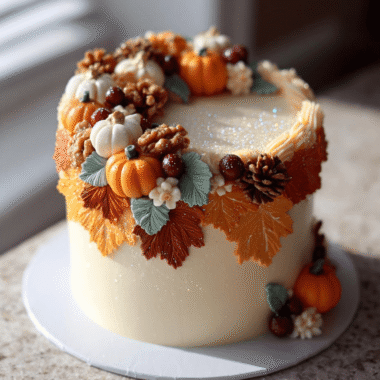
Consider decorating your cake with candied pecans, edible glitter, or fondant leaves to reflect the autumn theme. Molding decorations can also add a personalized touch.
What other flavors can I incorporate into this cake?
You could experiment with flavors like maple syrup in the frosting or integrate other spices like cardamom for a different twist. Each addition can create a unique holiday treat.
Is there a way to make a layered cake rather than a single cake?
Yes, you can easily double the batter to create a layered cake. Just ensure that your baking times are adjusted based on the height of your cake layers.
Conclusion
Thanksgiving cakes can bring new dimensions of flavor and texture to your seasonal celebrations. With a few simple ingredients and techniques, you can create a memorable dessert that embodies the spirit of the holiday.
As you experiment with different flavors, remember to enjoy the process of baking and sharing your creations. Whether you stick to classic recipes or venture into innovative territory, your Thanksgiving cake is sure to be a cherished part of the festivities.
Recipe Card
Notes
Additional serving suggestions: pair with a crisp salad, garlic bread, or roasted seasonal vegetables for balance.
For make-ahead, prep components separately and assemble just before heating to preserve texture.
Taste and adjust with acid (lemon/vinegar) and salt right at the end to wake up flavors.