
Introduction
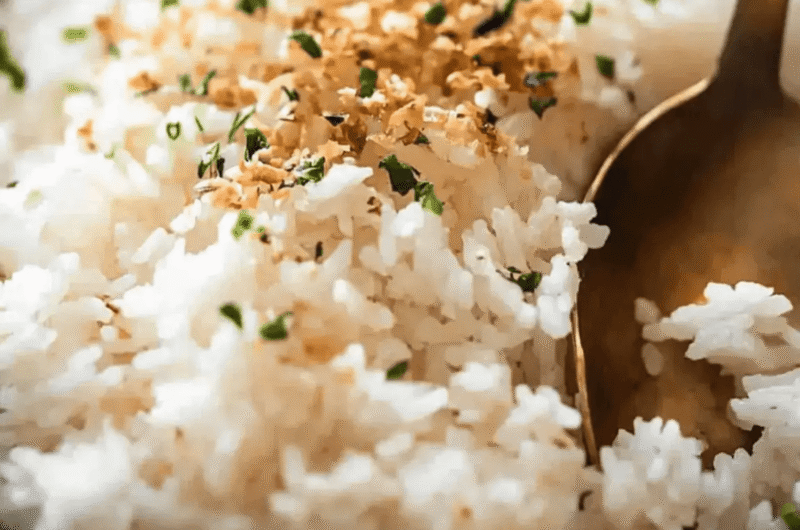
Coconut rice is a culinary delight that showcases the harmony between rich, creamy flavors and satisfying textures. Perfectly cooked rice infused with coconut milk can take a simple meal and turn it into a tropical feast. Whether you’re pairing it with spiced curries or enjoying it simply with grilled vegetables, this dish will create a memorable experience.
This recipe is deceptively simple yet bursting with flavor, making it an ideal choice for home cooks seeking to impress without laborious effort. The coconut milk transforms the rice into a luscious side dish that enhances the taste of everything it accompanies.
Let’s explore the ingredients and methods to create this irresistible coconut rice, elevating your dinner from everyday to extraordinary.
Ingredients
- 1 cup jasmine rice
The jasmine rice provides a fragrant, slightly sticky texture that complements the creamy coconut milk. It absorbs flavors beautifully, making it an ideal choice for this dish. - 1 can (13.5 oz) coconut milk
Coconut milk is the star ingredient, lending its distinct sweetness and creaminess. This enhances the rice’s texture and adds a tropical twist to your meal. - 1 cup water
Water plays a critical role in cooking the rice to perfection, ensuring the right balance of moisture. It combines with coconut milk for optimal creaminess without overpowering the coconut flavor. - 1 tablespoon sugar
A touch of sugar balances the natural flavors of the coconut milk, enhancing the overall sweetness of the rice without making it dessert-like. It adds depth to the dish. - 1/2 teaspoon salt
Salt is essential for enhancing the overall flavor of the rice. It draws out the coconut’s inherent sweetness and creates a balanced dish. - 1 tablespoon lime juice (optional)
Adding lime juice at the end brightens the flavors and offers a refreshing contrast to the creaminess. It can elevate the dish further, making it even more delightful. - Fresh cilantro for garnish (optional)
Cilantro adds a burst of freshness and color, making the dish visually appealing while contributing herby notes that perfectly pair with the richness of the rice.
Directions & Preparation
Step 1: Rinse the jasmine rice under cold water.
Rinsing the rice removes excess starch, which helps prevent it from becoming gummy during cooking. This step ensures each grain remains separate and fluffy, resulting in a delightful texture once cooked.
Step 2: In a medium saucepan, combine rinsed rice, coconut milk, water, sugar, and salt.
Combining the ingredients in a saucepan allows the rice to soak up the flavors of the coconut milk as it cooks. The liquids will create a creamy base that infuses the rice with delicious flavor, and the sugar and salt will enhance the taste profile.
Step 3: Bring the mixture to a gentle boil over medium heat.
Heating the mixture to a gentle boil activates the cooking process for the rice. Keep a close eye here to prevent it from boiling over and create a mess. This is the first crucial step that leads to perfect, creamy rice.
Step 4: Reduce heat to low, cover, and simmer for 18-20 minutes.
Simmering the rice covered traps steam, allowing it to cook evenly and absorb all the liquid. This step is vital for achieving a creamy consistency without leaving excess liquid in the saucepan.
Step 5: Remove the saucepan from the heat and let it sit covered for 10 minutes.
Allowing the rice to rest off the heat finishes cooking through residual heat and steam. This step improves the texture, enabling the rice to firm up slightly, making it easier to fluff later without breaking grains.
Step 6: Add lime juice if desired, and fluff the rice with a fork.
Fluffing the rice gently incorporates air, making it light and airy. Adding lime juice here brightens flavors, making the dish even more appealing. It’s the perfect finishing touch to this coconut-infused delight.
Step 7: Serve hot, garnished with fresh cilantro if using.
Garnishing with fresh cilantro brings freshness and visual appeal to the dish. Serve immediately to enjoy the creamy coconut rice at its best, with your choice of main dishes for a vibrant meal.

Choosing the Right Coconut Milk
When making coconut rice, the choice of coconut milk can greatly affect the final flavor and creaminess of the dish. Look for full-fat coconut milk, as it offers a rich, luscious taste that enhances the rice. Avoid light versions or coconut milk with added preservatives for the best results. The quality of your coconut milk will elevate the dish, providing the irresistible creaminess that coconut rice is known for.
Enhancing Flavor with Herbs and Spices
While this recipe shines on its own, you can boost its flavor by incorporating herbs and spices. Consider adding a few crushed garlic cloves or a slice of ginger in the cooking process for a warm, aromatic touch. Fresh herbs like basil or lemongrass can also impart an exotic flair, making the dish versatile for various cuisines. Experimenting with different flavor enhancers will keep your coconut rice exciting every time you prepare it.
Coconut Rice as a Versatile Base
Consider coconut rice a blank canvas for your culinary creativity. Its creamy texture makes it an ideal base for a variety of dishes, from Thai curries to grilled meats and vegetables. You can even adapt it to your meal by adding other ingredients like peas or diced bell peppers for added color and flavor. Coconut rice elevates any dish it accompanies, transforming a simple dinner into an exotic feast.
FAQs
What should I do if my rice turns out too thick?
If your rice is too thick, you can gently stir in a small amount of warm water or additional coconut milk to loosen it up. Be careful not to overdo it; add just enough to achieve your desired consistency.
Can I use a different type of rice for this recipe?
Yes, although jasmine rice is preferred for its fragrance and texture, you can use basmati or even short-grain rice as alternatives. Just be aware that they may alter the final texture and flavor slightly.
What can I do if my coconut rice is bland?
If your coconut rice tastes bland, consider adjusting the salt content. Adding a pinch more salt or a touch more lime juice can elevate the flavors. Fresh herbs like cilantro can also enhance its taste.
How can I prevent the rice from being overcooked?
To prevent overcooking, be sure to monitor the cooking time closely and turn off the heat as soon as the rice has absorbed all the liquid. Following the suggested resting time is also crucial for getting the ideal texture.
Can I add additional flavors like coconut flakes or spices?
Absolutely! You can stir in sweetened or unsweetened coconut flakes after cooking for added texture. Spices like cardamom or cinnamon can also be incorporated during cooking for a fragrant twist.
Is there a way to make the rice creamier?
For creamier rice, increase the amount of coconut milk slightly while reducing the water. You can also stir in a bit of unsweetened coconut yogurt after cooking for an extra creamy finish.
Can I serve this rice cold for a salad?
Yes! Once cooled, coconut rice can be used in salads or grain bowls. Pair it with fresh vegetables and protein for a delicious, refreshing dish.
Conclusion
Irresistibly creamy coconut rice is a delightful way to elevate your home cooking. Its unique flavor and creamy texture can turn any dinner into a special occasion, making it a must-try recipe for your culinary repertoire.
With just a handful of ingredients and simple instructions, you’ll find yourself returning to this crowd-pleasing dish again and again. Embrace the tropical flavors and enjoy the compliments you'll receive from those fortunate enough to share your table.
Recipe Card
Notes
Additional serving suggestions: pair with a crisp salad, garlic bread, or roasted seasonal vegetables for balance.
For make-ahead, prep components separately and assemble just before heating to preserve texture.
Taste and adjust with acid (lemon/vinegar) and salt right at the end to wake up flavors.