Introduction
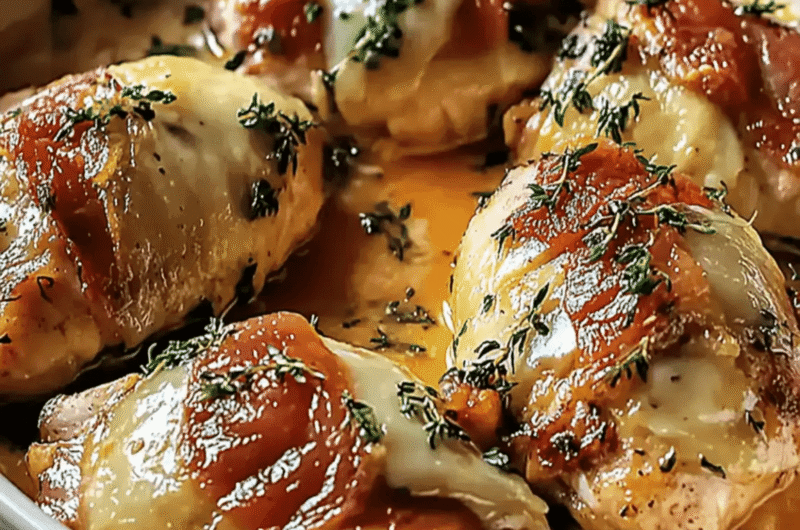
Italian Chicken Saltimbocca is a dish that embodies the heart of Italian cuisine, merging simplicity with remarkable flavors. Traditionally, this dish features chicken cutlets layered with prosciutto and fresh sage, then sautéed to perfection. The result is a savory and aromatic entrée that transports any diner straight to an Italian trattoria.
This dish is not just about the ingredients; it's about the craftsmanship and the love poured into the cooking process. Each element plays a crucial role in creating that signature flavor profile. Whether you're an experienced home cook or just beginning your culinary journey, making Italian Chicken Saltimbocca is a delightful way to explore Italian flavors in your kitchen.
By mastering this recipe, you’ll impress family and friends with a meal that feels special yet is approachable enough for a weeknight dinner. Let's dive into the ingredients and technique that make Italian Chicken Saltimbocca a dish worth mastering.
Ingredients
- 4 boneless, skinless chicken breasts
Chicken breasts serve as the main protein and base for this dish, providing a tender texture. They should be or pounded thin for even cooking and quick absorption of flavors. - 4 slices of prosciutto
Prosciutto adds a salty, umami-packed flavor that complements the chicken beautifully. It also helps to keep the chicken moist during cooking. - 8 fresh sage leaves
Sage is a traditional herb used in this dish, lending a fragrant earthy note. Its strong flavor pairs well with the chicken and prosciutto. - 1/2 cup all-purpose flour
Flour is used for dredging the chicken before cooking. This creates a lovely golden crust and helps thicken the sauce. - 2 tablespoons olive oil
Olive oil provides a key fat for sautéing the chicken, infusing a rich flavor while helping achieve a crispy exterior. - 1/4 cup chicken broth
Chicken broth adds depth to the sauce, enhancing the overall flavor profile of the dish while keeping it moist. - 1/2 cup white wine
White wine adds acidity and complexity to the sauce, helping to balance the rich flavors of prosciutto and chicken. - Salt and pepper to taste
Seasoning is crucial in any dish; salt enhances flavors while pepper adds a touch of heat that rounds out the taste.
Directions & Preparation
Step 1: Prepare the chicken by pounding it thin.
Pound the chicken breasts to an even thickness of about 1/2 inch. This step is crucial as it helps the chicken cook evenly and absorb flavors from the prosciutto and sage. Use a meat mallet or rolling pin, placing the chicken between two sheets of plastic wrap to prevent splatter and tearing.
Step 2: Season the chicken with salt and pepper.
Sprinkling a bit of salt and pepper on the chicken at this stage is essential for building flavor right from the beginning. Ensure all surfaces are seasoned to guarantee a well-balanced taste in every bite.
Step 3: Dredge the chicken in flour on both sides.
Coating the chicken with flour allows for a beautiful golden crust when cooked. This also helps in thickening the sauce later on. Shake off any excess flour to avoid clumping during cooking.
Step 4: Lay a slice of prosciutto and sage on each chicken breast.
Layering the prosciutto and fresh sage directly onto the chicken adds moisture and flavor. The prosciutto will get crispy while enhancing the chicken's taste, and the sage will infuse its aromatic essence.
Step 5: Heat olive oil in a large skillet over medium heat.
Heating the olive oil properly ensures an even cooking surface and helps achieve that coveted golden crust. Ensure the oil is hot but not smoking to prevent burning.
Step 6: Cook the chicken breasts for 3-4 minutes on each side.
Cooking each side until golden brown helps lock in moisture and flavor. It’s essential to resist moving the chicken too often, as this allows for proper browning and prevents them from becoming soggy.
Step 7: Remove the chicken from the skillet and keep warm.
Once cooked, it's important to transfer the chicken to a warm place, allowing the juices to redistribute, which keeps the meat juicy. Cover loosely with foil to retain heat.
Step 8: Deglaze the pan with white wine and chicken broth.
Pouring in the wine and broth lifts any caramelized bits stuck in the pan, enhancing the sauce’s flavor. Scrape the bottom gently and let it simmer to reduce slightly.
Step 9: Return the chicken to the skillet and simmer briefly.
Returning the chicken allows it to absorb the flavors of the sauce. Simmering for just a few minutes will reheat the chicken without overcooking it, preserving moisture.
Step 10: Serve hot, drizzled with the sauce.
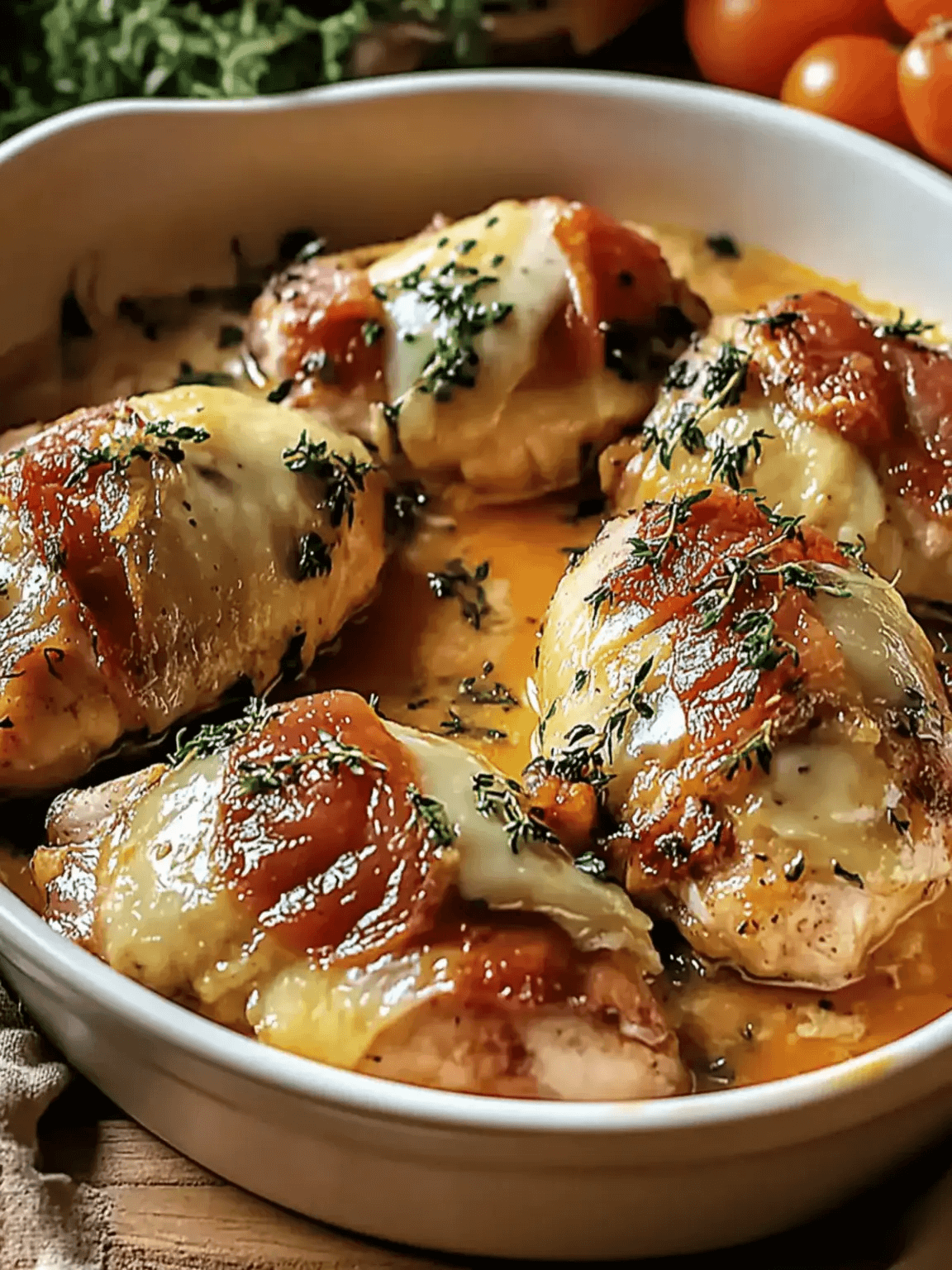
Plate the chicken and spoon the sauce over it, ensuring each piece is nicely coated. This presentation not only looks appealing but also enhances the taste with every bite.
The Significance of Prosciutto
Prosciutto is more than just a crown for your chicken; it’s a flavor powerhouse that brings depth and richness. This dry-cured ham provides an ideal salty contrast to the mild chicken, complimenting its flavor without overpowering it. Properly layering the prosciutto with sage creates a harmonious taste that is classic to Italian cuisine.
Understanding Sage’s Role
Fresh sage leaves are integral to Italian Chicken Saltimbocca, acting as a fragrant agent that elevates the entire dish. Their slightly peppery taste is enhanced when cooked, complementing the saltiness of prosciutto. Additionally, the aromatic oils released during cooking further deepen the dish's overall sensory experience.
Creating the Perfect Sauce
The sauce in Chicken Saltimbocca is where the magic happens. Combining white wine and chicken broth not only creates a luxurious coating but also complements the dish's savory elements. Reducing this mixture concentrates flavors and enriches the final presentation, ensuring every mouthful is packed with succulent goodness.
FAQs
What if my chicken saltimbocca is too dry?
If the chicken turns out dry, it may have been overcooked. Use a meat thermometer to ensure an internal temperature of 165°F to avoid this in the future.
Can I use duck breast instead of chicken?
Yes, you can substitute duck breast for chicken. Adjust cooking times since duck may require a slightly longer cooking time due to its fat content.
What is the best way to tell if the chicken is cooked through?
Use a meat thermometer to check for 165°F in the thickest part of the chicken. This ensures it's safe and perfectly cooked.
What should I do if my sauce is too thin?
If the sauce is too thin, let it simmer on the stovetop a bit longer to reduce and thicken. You can also whisk in a little cornstarch mixed with water for a quick thickening.
How can I avoid a bland chicken saltimbocca?
Ensure adequate seasoning on the chicken before cooking and consider using high-quality prosciutto to enhance the overall flavor.
Is this dish suitable for a dinner party?
Absolutely! Chicken Saltimbocca has an elegant presentation and provides impressive flavors, making it perfect for entertaining.
Can I add vegetables to the dish?
Certainly! Adding sautéed spinach or asparagus alongside the chicken enhances nutritional value and introduces additional flavor.
What's the best way to ensure the prosciutto stays crispy?
To maintain the prosciutto's crispiness, avoid overlapping the slices and ensure the cooking temperature is right to prevent steaming.
Conclusion
Making Italian Chicken Saltimbocca is a rewarding experience that combines joy, flavor, and tradition in one delightful dish. With its elegant flavors and simple preparation, you can impress any guest or simply enjoy a taste of Italy at home.
By following this recipe, you’re not just cooking; you’re creating a piece of culinary artistry. Embrace the process, savor the flavors, and enjoy the delightful satisfaction of mastering this Italian classic.
Recipe Card
Notes
Additional serving suggestions: pair with a crisp salad, garlic bread, or roasted seasonal vegetables for balance.
For make-ahead, prep components separately and assemble just before heating to preserve texture.
Taste and adjust with acid (lemon/vinegar) and salt right at the end to wake up flavors.