Introduction
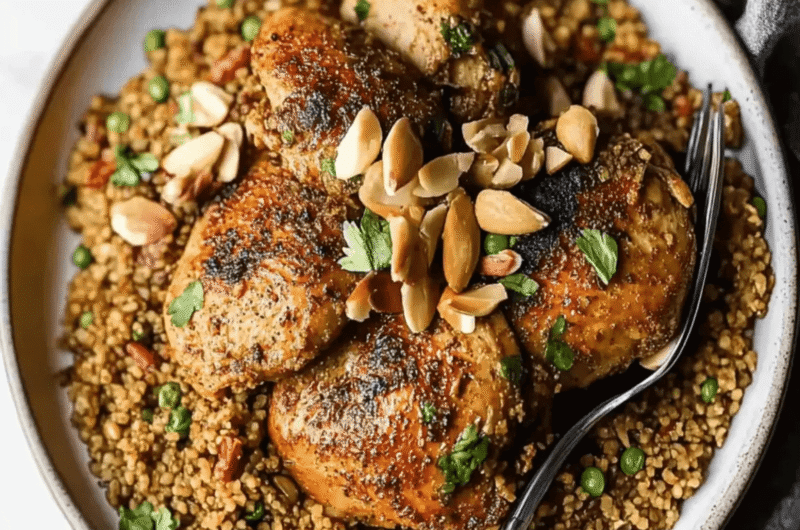
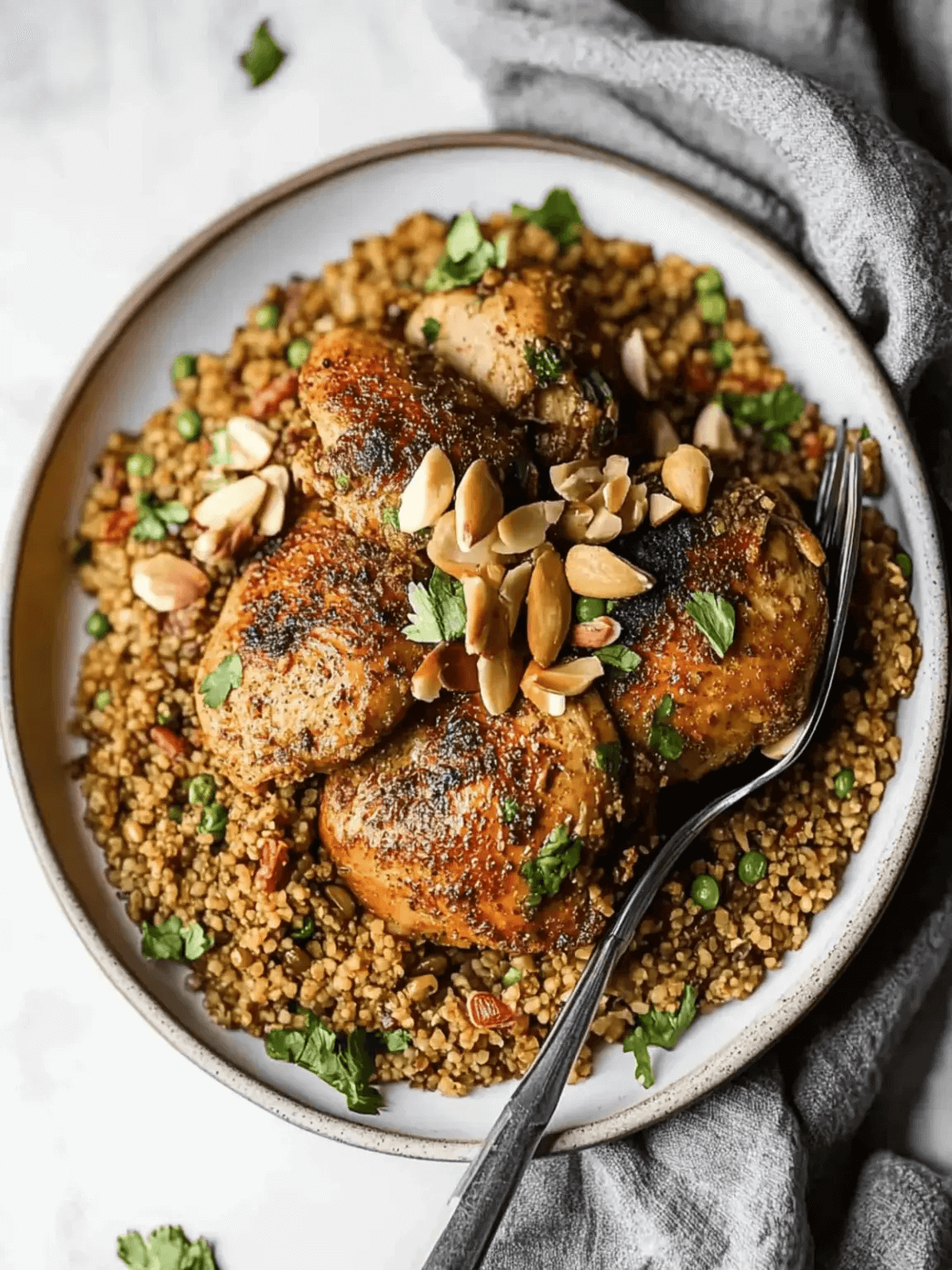
Lebanese freekeh with chicken is a dish that brings together health, flavor, and tradition in a satisfying way. This ancient grain, made from green durum wheat, is harvested while young and roasted, which gives it a distinctive smoky flavor and chewy texture. Its nutritional profile is impressive, packed with fiber and protein, making it a fantastic base for a hearty meal.
When paired with juicy chicken, aromatic spices, and fresh herbs, it transforms into a delightful experience for the palate. Whether you are hosting a family dinner or simply looking to enjoy a comforting meal, this dish offers richness without being overly indulgent.
Ingredients
- 1 cup freekeh
Freekeh is the star grain of this recipe. Its nutty flavor and chewy texture enhance the meal while providing a healthy source of fiber and protein. - 2 cups chicken broth
Using chicken broth instead of water elevates the flavor profile of the dish, providing depth and richness, which complements the freekeh. - 1 pound chicken thighs, boneless and skinless
Chicken thighs add succulent juiciness and flavor. Their higher fat content compared to breasts keeps the dish moist during cooking. - 1 medium onion, diced
Onions form the aromatic base of the dish. When sautéed, they release natural sweetness that balances the flavors and adds depth. - 2 cloves garlic, minced
Garlic brings a fragrant warmth and depth to the dish, enhancing the overall flavor blend and accentuating the other aromatic ingredients. - 1 teaspoon ground cumin
Cumin introduces earthy undertones with a hint of spice, which perfectly complements the smokiness of the freekeh. - 1 teaspoon ground coriander
Coriander adds a fresh, citrusy flavor that lightens the dish and pairs well with cumin. - 1/2 teaspoon cinnamon
Cinnamon contributes warmth and complexity, making the dish uniquely aromatic—typical of many Middle Eastern recipes. - Salt and pepper to taste
Essential for balancing flavors, salt enhances the taste of the ingredients while pepper adds a touch of heat. - 2 tablespoons olive oil
Olive oil is used for sautéing the onion and garlic, adding richness and a hint of fruity flavor to the dish. - Fresh parsley, chopped (for garnish)
Chopped parsley adds a burst of color and freshness, making the dish visually appealing while enhancing its taste.
Directions & Preparation
Step 1: Heat olive oil in a large pot over medium heat.
Starting with hot olive oil helps release the flavors from the onions and garlic effectively. This step is crucial for building the base of your flavor profile.
Step 2: Add diced onion and sauté until translucent, about 5 minutes.
Cooking the onion until it's translucent softens it, releasing its natural sugars and sweetness, which provide a subtle depth to the dish.
Step 3: Stir in minced garlic and sauté for an additional minute.
Adding garlic at this stage ensures that it doesn’t burn, which would create a bitter flavor. Properly sautéed garlic enriches the dish with its fragrant essence.
Step 4: Sprinkle in cumin, coriander, and cinnamon; stir well.
Toasting the spices briefly releases their oils, enhancing their flavors and aromas, making them more prominent in the final dish.
Step 5: Add the chicken thighs, cooking until they are browned on all sides, about 5-7 minutes.
Browning the chicken not only helps develop a deeper flavor but also seals in moisture. This step is vital for a tender final product.
Step 6: Pour in the freekeh and stir to coat with spices and oil.
Coating the freekeh in the flavored oil and spices prepares it for absorbing the moisture and flavors during cooking.
Step 7: Pour in the chicken broth and bring to a boil.
Bringing the mixture to a boil is essential to cook the freekeh correctly while ensuring that the chicken thoroughly combines with the broth flavor.
Step 8: Reduce heat, cover, and let simmer for about 25-30 minutes, until freekeh is tender.
Simmering allows the freekeh to absorb the broth and flavors fully. The cover traps steam, ensuring the chicken cooks evenly and remains moist.
Step 9: Check for seasoning and adjust with salt and pepper if needed.
Tasting the dish at this point allows you to tailor the seasoning to your preference, ensuring that every component shines.
Step 10: Once cooked, remove from heat and let it rest for 5 minutes before serving.
Allowing the dish to rest lets the flavors meld, and it also allows the freekeh to settle without being too mushy when serving.
Step 11: Garnish with fresh parsley before serving.
Adding parsley as a garnish provides a vibrant color contrast and a fresh, herbal note that enhances the overall appeal of the dish.
The Cultural Significance of Freekeh
In Middle Eastern cuisine, freekeh is more than just a grain; it holds cultural significance and is often referred to as ‘the grain of the future’ due to its nutritional benefits. Historically, it has been a staple during harvest festivals and serves as a reminder of the region’s agricultural heritage. Incorporating freekeh into meals connects the present to centuries of tradition.
Perfecting the Chicken for Optimal Flavor
The choice of chicken thighs over breasts significantly impacts the dish's taste and texture. Thighs have a higher fat content, which helps them remain juicy and flavorful even with longer cooking times. For extra flavor, consider marinating the chicken in spices like paprika or sumac before browning, adding a delightful twist to the overall dish.
Pairing Sides with Freekeh and Chicken
When serving this delicious Lebanese freekeh with chicken, consider side dishes that complement its flavors. A refreshing cucumber and tomato salad with a yogurt dressing balances the earthiness of the freekeh, while grilled vegetables can add a smoky note. Additionally, a side of hummus offers a creamy element, making for a well-rounded and satisfying meal.
FAQs
What if my freekeh absorbs too much liquid and becomes hard?
If your freekeh turns out too dry, add a little more broth or water gradually and return it to low heat, stirring gently until it absorbs the liquid.
Can I use bulgur wheat instead of freekeh in this recipe?
Yes, bulgur can be used as a substitute, but adjust the cooking time since it cooks faster than freekeh.
How can I enhance the flavor if it tastes bland?
Adjust the seasoning with more salt and pepper, and consider adding lemon juice for brightness or additional spices to deepen the flavor.
What should I do if my chicken is overcooked?
If your chicken is overcooked and dry, you can shred it and mix it back into the freekeh with a splash of broth to add moisture.
What herbs can I add to elevate the dish further?
You can experiment with herbs like mint or dill, stirred in just before serving for a fragrant touch that complements the other flavors.
Can I double the recipe for a larger gathering?
Yes, this recipe can be scaled up easily. Just ensure you have a larger pot and adjust the cooking time slightly as needed.
Conclusion
Lebanese freekeh with chicken not only provides a deeply satisfying meal but also embodies rich cultural traditions and flavors. This dish is perfect for family gatherings or enjoying a cozy evening at home, ensuring that every bite is packed with warmth and comfort.
By following this recipe, you can explore the delightful blend of textures and tastes that make freekeh a unique choice. Embrace the flavors and enjoy the process of creating a meal that celebrates both heritage and health.
Recipe Card
Notes
Additional serving suggestions: pair with a crisp salad, garlic bread, or roasted seasonal vegetables for balance.
For make-ahead, prep components separately and assemble just before heating to preserve texture.
Taste and adjust with acid (lemon/vinegar) and salt right at the end to wake up flavors.