
Introduction
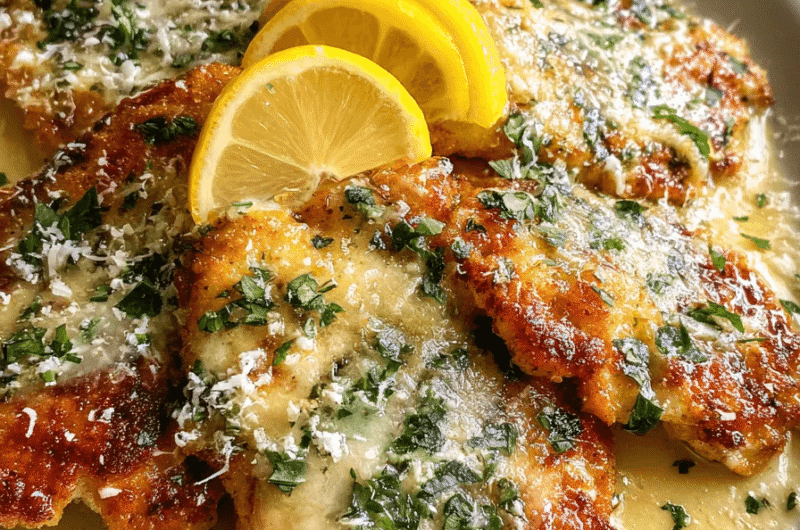
Lemon Chicken Romano is a vibrant dish that lifts the spirits with its zesty flavor profile and tender chicken. Marrying the sharpness of Romano cheese with the bright notes of lemon, it offers a delightful harmony that resonates with every bite. This dish is perfect for a weeknight dinner or a gathering, impressing your guests with minimal effort.
Anyone can create this flavorful dish at home with just a few ingredients and basic cooking techniques. The combination of sautéed chicken, a tangy lemon sauce, and salty cheese not only creates a satisfying meal but also brings a taste of Italian cuisine to your table. Let’s dive into the ingredients and steps to prepare this delicious entrée.
Ingredients
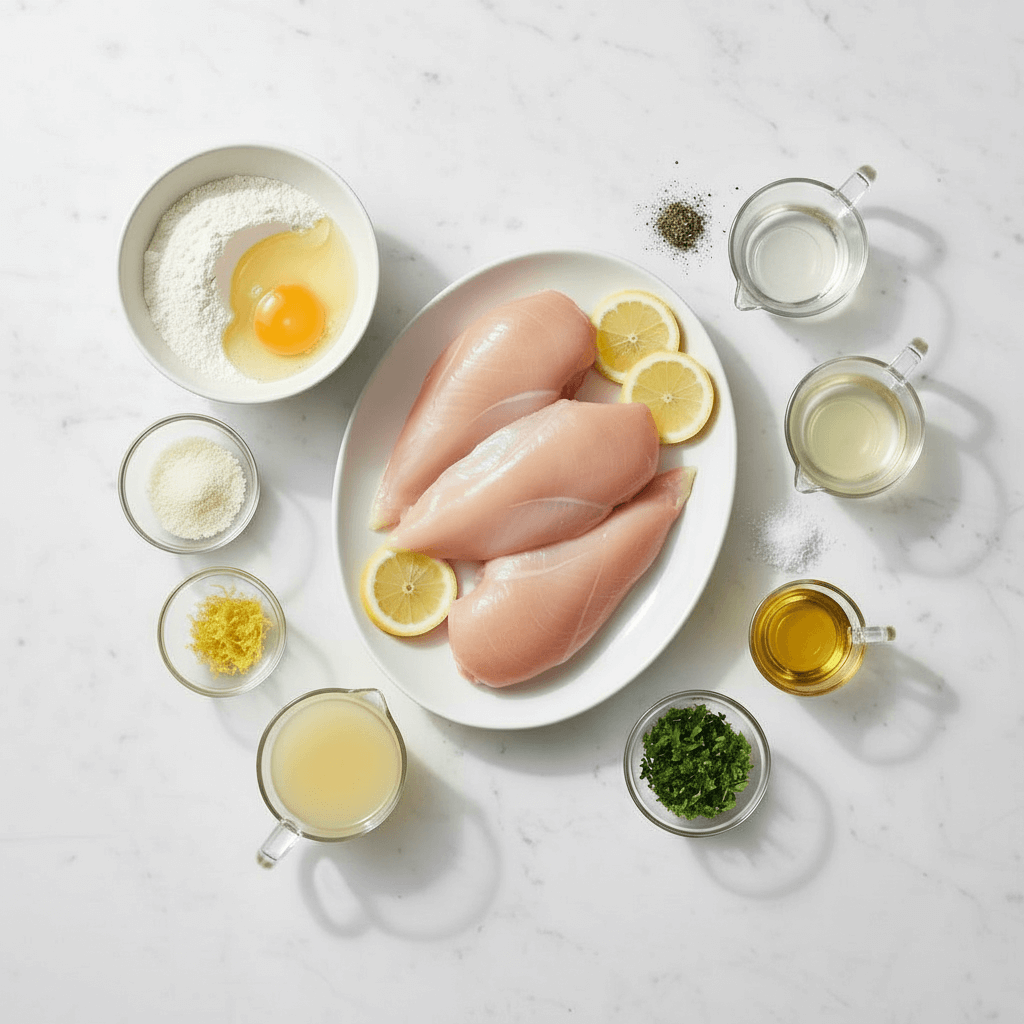
- 4 boneless, skinless chicken breasts
Chicken breasts are the main protein source, providing a tender and juicy base for the dish. Their lean nature allows the flavors of the sauce and cheese to shine. - 1 cup all-purpose flour
Flour is used to lightly coat the chicken before cooking, helping to create a crispy texture on the outside while keeping the meat moist inside. - 1 teaspoon salt
Salt enhances the flavors of the chicken and the sauce. It’s crucial for seasoning the dish and ensuring all flavors come together harmoniously. - 1/2 teaspoon black pepper
Black pepper adds a subtle heat that complements the lemon and cheese without overwhelming the overall taste. - 1/4 cup olive oil
Olive oil is used for sautéing the chicken and contributes a rich flavor. It also helps in achieving the desired golden-brown crust. - 1/2 cup chicken broth
Chicken broth serves as the base for the sauce, providing depth and moisture, making sure the dish isn’t too dry. - 1/4 cup fresh lemon juice
Fresh lemon juice is the star of the dish, adding brightness and acidity that balances the richness of the chicken and cheese. - 1/2 teaspoon garlic powder
Garlic powder imparts a mellow garlic flavor without the pungency of fresh garlic, blending seamlessly into the sauce. - 3/4 cup grated Romano cheese
Romano cheese offers a strong, salty flavor that enhances the dish with a savory element, finishing off the sauce beautifully. - 1 tablespoon fresh parsley, chopped (for garnish)
Fresh parsley adds a touch of color and freshness, lifting the presentation and rounding out the flavors of the dish.
Directions & Preparation
Step 1: Prepare the chicken by pounding to an even thickness.
Even thickness ensures that the chicken cooks uniformly, preventing the thinner parts from drying out while the thicker parts cook through. Use a meat mallet or rolling pin wrapped in plastic for a more controlled flattening.
Step 2: Season flour with salt and pepper, then place on a plate.
Coating the flour with salt and pepper ensures that the chicken is well-seasoned, allowing for a deeper flavor throughout. This step helps prevent any blandness that could arise from an unseasoned breading.
Step 3: Dredge each chicken breast in the seasoned flour, shaking off excess.
Dredging the chicken in flour creates a light coating that crisps up nicely during cooking. It's important to remove excess flour as too much can create a gummy texture and overly thick crust.
Step 4: Heat olive oil in a large skillet over medium-high heat.
Warming the oil before adding the chicken helps create a good sear on the meat. This step is vital for achieving a crispy exterior while keeping the inside juicy.
Step 5: Add the chicken breasts to the skillet, cooking for 5-7 minutes per side until golden brown.
Allowing the chicken to cook undisturbed for a few minutes initially helps develop a crust. Be cautious not to overcrowd the skillet as this can cause steaming instead of browning.
Step 6: Remove chicken from the skillet and set aside on a plate.
Setting aside the cooked chicken allows it to rest, ensuring the juices redistribute evenly for maximum tenderness. It's also essential to keep it warm as you prepare the sauce.
Step 7: Deglaze the skillet with chicken broth, scraping up browned bits.
Scraping up the browned bits from the bottom of the skillet captures essential flavors that would otherwise be lost. This adds depth to the sauce and elevates the overall dish.
Step 8: Stir in the lemon juice, garlic powder, and Romano cheese until melted and combined.
This step is crucial as it creates a cohesive sauce. The cheese adds creaminess and richness while the lemon juice brightens flavors, ensuring a well-balanced sauce.
Step 9: Return chicken to the skillet, spooning sauce over the top.
Reintroducing the chicken into the sauce allows it to absorb the flavors, enhancing its taste. It also keeps the chicken warm while the sauce finishes developing.
Step 10: Garnish with fresh parsley before serving.
The parsley adds a pop of color and freshness, elevating the visual appeal of the plate. It also contributes a subtle herbal note that complements the dish beautifully.
Elevating Your Lemon Sauce
To enhance the lemon sauce, consider adding a touch of zest from the lemon peel during the cooking process. This addition not only amplifies the citrus flavor but also introduces a pleasing bitterness that balances the dish beautifully. Fresh herbs such as thyme or basil can also be introduced for an aromatic twist, bringing a more complex flavor profile to your lemon chicken.
Choosing the Right Romano Cheese
When selecting Romano cheese, opt for a high-quality, aged variety for the best flavor. Freshly grated cheese melts more smoothly and incorporates better into the sauce than pre-grated options, which may have anti-caking agents. If you desire a sharper taste, consider combining it with a bit of Parmesan for a complex flavor experience that enhances every bite.
Serving Suggestions for Lemon Chicken Romano
Lemon Chicken Romano pairs beautifully with a variety of sides. Consider serving it atop a bed of buttery garlic mashed potatoes or alongside sautéed vegetables for a balanced meal. Alternatively, a light arugula salad with a lemon vinaigrette complements the chicken's flavors without overshadowing its brightness, ensuring a cohesive dining experience.
FAQs
What adjustments can I make if the sauce is too thick?
If the sauce turns out too thick, simply add a splash of additional chicken broth or water while stirring over low heat until the desired consistency is reached.
Can I adjust the portion size easily?
To scale the recipe, simply adjust the amount of chicken and other ingredients while maintaining the same ratios. For example, if you double the chicken, double the flour and sauce ingredients accordingly.
What can I use if I don't have fresh lemon juice?
In a pinch, bottled lemon juice can be used, but ensure it’s 100% natural without additives for the best flavor. Adjust to taste as bottled varieties can vary in acidity.
How do I avoid overcooking the chicken?
To avoid overcooking, monitor the internal temperature with a meat thermometer. Chicken should reach 165°F; otherwise, remove it from the skillet promptly when achieving a golden-brown crust.
Is there a way to enhance the flavor of the chicken without more salt?
Adding herbs such as oregano or thyme can significantly elevate the chicken's flavor without relying on additional salt. Fresh or dried herbs work well, so choose according to your preference.
Can I use different cheese in this recipe?
Yes, while Romano is traditional, you can substitute with Parmesan or Asiago cheese to achieve a different flavor profile, ensuring it still complements the lemon.
Conclusion
Lemon Chicken Romano is not just a dish; it’s an experience, with zesty flavors and tender chicken that transports you to a sun-kissed Italian trattoria. As you master this recipe, feel free to experiment with other flavors and ingredients to make it your own.
With practice, you’ll find that preparing this dish is as enjoyable as savoring every bite. Gather your ingredients, and enjoy the cooking process, bringing a delightful taste of Italy to your home kitchen.
Recipe Card
Notes
Additional serving suggestions: pair with a crisp salad, garlic bread, or roasted seasonal vegetables for balance.
For make-ahead, prep components separately and assemble just before heating to preserve texture.
Taste and adjust with acid (lemon/vinegar) and salt right at the end to wake up flavors.