Introduction
Slow-braised beef roast transforms an everyday cut of meat into a succulent centerpiece for any gathering. The gentle cooking method ensures the beef becomes tender and infused with flavor, while the unique cranberry balsamic glaze adds a touch of sweetness and tartness that elevates the dish.
This recipe invites you to embrace the art of slow cooking, allowing rich aromas to fill your kitchen. With minimal hands-on time, it presents an effortless way to impress family and friends with a luxurious meal that looks and tastes gourmet.
Ingredients
- 4 lbs beef roast (chuck or brisket)
Choosing a well-marbled cut like chuck or brisket ensures optimal tenderness and flavor during the slow-braising process. The fat breaks down, enriching the sauce and keeping the meat juicy. - 1 cup cranberry juice
Cranberry juice provides both acidity and sweetness, balancing the flavors in the glaze. It also contributes to the beautiful glaze finish, creating a savory-sweet contrast. - 1/2 cup balsamic vinegar
Balsamic vinegar adds depth and complexity to the glaze, enhancing the overall taste of the dish. Its rich acidity helps tenderize the meat during the slow cooking. - 1 large onion, sliced
Onions are fundamental for building the flavor base of the dish. As they cook down, they caramelize and lend sweetness that complements the tartness of the glaze. - 4 cloves garlic, minced
Garlic introduces a robust aroma and depth of flavor, enhancing the overall character of the dish. It also pairs well with both beef and the fruity notes of the glaze. - 2 tablespoons olive oil
Olive oil is necessary for searing the beef and sautéing the aromatics, contributing a delicious layer of flavor. It also helps in preventing sticking during the browning process. - 1 teaspoon salt
Salt enhances the natural flavors of the beef and the glaze. It is essential for seasoning the meat evenly for a more balanced taste throughout. - 1/2 teaspoon black pepper
Black pepper adds a subtle heat and complexity to the flavor profile. It complements the other ingredients without overpowering them. - 1 tablespoon fresh rosemary, chopped
Rosemary contributes an earthy and aromatic note that pairs wonderfully with beef. Its fragrant oils permeate the meat as it cooks, enhancing the overall taste. - 1 tablespoon fresh thyme, chopped
Thyme introduces a warm, herbal quality to the dish, which complements the sweetness of the cranberry and balsamic. It works in harmony with rosemary for a balanced flavor.
Directions & Preparation
Step 1: Preheat your oven to 300°F (150°C).
Preheating the oven ensures even cooking temperatures from the beginning, which is crucial for tender braising. This low and slow method helps break down the connective tissues in the beef.
Step 2: Season the beef roast generously with salt and pepper.
Ensuring the beef is well-seasoned before searing allows for a crust to form, enhancing the overall flavor. Proper seasoning will penetrate the meat and elevate the taste throughout.
Step 3: Heat olive oil in a large skillet over medium-high heat.
The skillet's heat is essential for creating a seared crust on the beef roast. The Maillard reaction that occurs during searing develops complex flavors, offering depth to the dish.
Step 4: Sear the beef roast on all sides until browned, about 4-5 minutes per side.
Searing the beef locks in juices while creating a flavorful crust. Don’t rush this step—it’s key to building layers of flavor in your final dish.
Step 5: Remove the roast and set it aside. In the same skillet, sauté onions and garlic until softened.
Using the same skillet for the onions and garlic captures the residual flavors left from searing the beef, enhancing the base of your sauce. Sautéing until softened sweetens the aromatics.
Step 6: Stir in the cranberry juice, balsamic vinegar, rosemary, and thyme.
This step builds your glaze by combining sweet, tart, and herbal notes. The cooking process here will help reduce the liquids and concentrate the flavors for a rich final glaze.
Step 7: Return the beef roast to the skillet, ensuring it's well-coated with the glaze mixture.
Coating the beef evenly with the glaze ensures that every bite is flavorful. The mixture clings to the roast, promising a delightful combination of flavors as it braises.
Step 8: Cover the skillet with a lid or foil and place in the preheated oven.
Covering the roast helps to trap moisture, promoting tender meat during the long cooking process. This steamy environment is ideal for breaking down tough fibers.
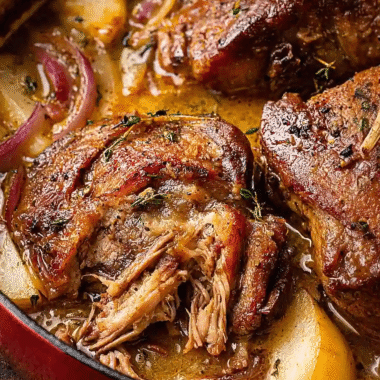
Step 9: Braise in the oven for 3-4 hours, or until the meat is fork-tender.
Optimal braising time allows the flavors to meld and the meat to become tender. Checking for fork-tenderness ensures you serve the beef at its best texture.
Step 10: Once cooked, remove from the oven and let the roast rest for 15-20 minutes before slicing.
Resting allows the juices to redistribute within the meat, preventing a dry roast. Slicing too early can lead to a loss of valuable moisture.
Step 11: Serve with the pan sauce drizzled over the sliced beef.
Drizzling the pan sauce enhances each slice with the rich flavors developed during cooking. It captures the essence of the dish and offers a beautiful presentation.
Balancing Tart and Sweet: The Perfect Glaze
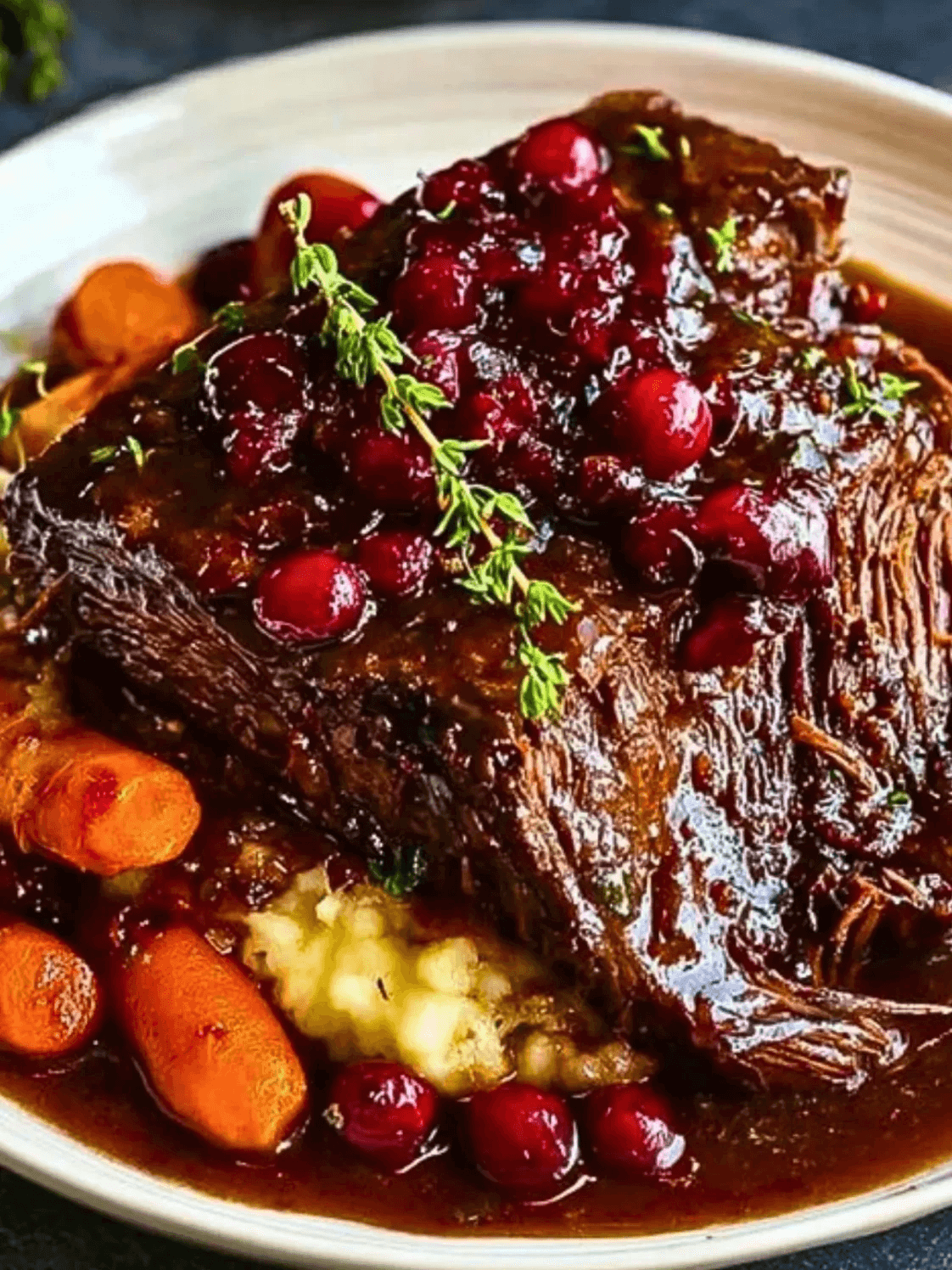
Creating the cranberry balsamic glaze is about harmony between flavors. The tartness of cranberry juice brightens the overall taste while complementing the robust flavor of the beef. Balsamic vinegar adds an umami depth and a shiny finish to the glaze, ensuring a captivating sauce that enhances rather than overshadows the meat.
Selecting the Right Cut for Braising
When choosing a cut for slow braising, consider those that naturally have more connective tissue and fat. Cuts like chuck or brisket become tender and juicy over long cooking periods, allowing them to absorb the flavors of the braising liquid. This technique ensures a dish that is not only flavorful but also texturally satisfying.
Serving Ideas to Elevate Your Dish
To make the meal even more special, consider serving the slow-braised beef roast alongside creamy mashed potatoes or a vibrant seasonal vegetable medley. The gravy-like pan sauce pairs beautifully with starchy sides, soaking up the delicious glaze and creating a wholesome dining experience that won’t be forgotten.
FAQs
What can I do if my sauce is too thick?
If the sauce is too thick, you can add a little beef broth or water to reach your desired consistency. Heat it gently on the stove while stirring to incorporate.
My beef ended up overcooked—what happened?
Overcooking can occur if the roast is left in the oven for too long or at too high a temperature. Using a digital meat thermometer can help ensure you achieve the perfect fork-tender texture.
How can I enhance the flavor if it tastes bland?
If the dish tastes bland, try adding more salt, a splash of balsamic vinegar, or a bit of fresh herbs at the end of cooking. Be sure to taste your glaze as you go, adjusting until it suits your palate.
Can I use a different fruit juice for the glaze?
Yes, you can substitute cranberry juice with another fruit juice, such as pomegranate or cherry, which would maintain a similar tartness while imparting unique flavors.
How do I know when the beef is tender enough?
The beef is ready to be removed from the oven when it can be easily pulled apart with a fork. This indicates that the connective tissues have broken down sufficiently.
What should I do if I want to scale this recipe for a larger crowd?
To scale the recipe, simply increase the quantities of all ingredients proportionally. Ensure your pot or skillet can accommodate the larger roast, adjusting cooking time as needed.
Conclusion
This slow-braised beef roast with cranberry balsamic glaze not only promises a sensational flavor but also an impressive presentation perfect for gatherings. With simple, quality ingredients and a loving approach to preparation, you can create a dish that warms the heart and satisfies the palate.
Allowing time for the braise to work its magic results in a comforting meal that speaks volumes of your culinary skills. Serve it proudly, knowing that this delightful combination will linger in your guests' memories long after the last bite.
Recipe Card
Notes
Additional serving suggestions: pair with a crisp salad, garlic bread, or roasted seasonal vegetables for balance.
For make-ahead, prep components separately and assemble just before heating to preserve texture.
Taste and adjust with acid (lemon/vinegar) and salt right at the end to wake up flavors.