
Introduction
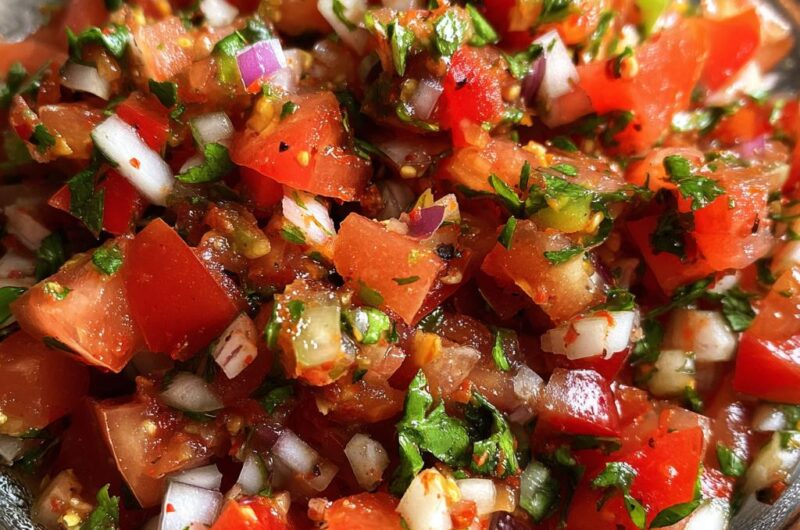
When it comes to salsa, there's something truly special about crafting it from scratch. Not only do you have complete control over the ingredients, but the fresh flavors are elevating, making every dipping experience an explosion of taste. Whether you pour it over tacos, serve it with chips, or use it as a zesty topping for grilled meats, homemade salsa can add life to any dish.
This recipe emphasizes natural ingredients, ensuring that the final product isn't just another condiment but a standout on its own. It captures the essence of the vibrant, tangy flavors that salsa lovers crave. As we dive into this recipe, you’ll discover how simple components come together to create a mix that perfectly balances heat, acidity, and sweetness.
Ingredients
- 6 ripe tomatoes, diced
Tomatoes form the base of your salsa, providing a juicy and fresh flavor. Ripe tomatoes ensure the salsa has the right balance of sweetness and acidity. - 1 small onion, finely chopped
Onion adds texture and depth of flavor, while its sharpness complements the sweetness of the tomatoes, creating a well-rounded palate. - 1-2 jalapeños, seeded and minced
Jalapeños bring heat to the salsa without overpowering the other flavors. Adjust the quantity based on your spice tolerance, and seed them for less heat. - 1 clove garlic, minced
Garlic introduces a pungent kick that enhances the overall flavor while adding aromatic qualities that make the salsa more inviting. - 1/4 cup fresh cilantro, chopped
Cilantro contributes herbal notes that brighten the salsa, balancing out the richer components. Fresh herbs elevate the freshness immensely. - Juice of 2 limes
Lime juice acts as a natural acid that brightens the salsa while adding a refreshing tang. It also helps to meld the flavors together. - Salt to taste
Salt is essential for enhancing flavors. It draws out moisture and intensifies the natural sweetness and acidity of the ingredients.
Directions & Preparation
Step 1: Start by preparing the ingredients.
Chop the tomatoes, onion, jalapeños, and mince the garlic beforehand. This step is crucial because it sets the foundation of your salsa. Freshly chopped ingredients ensure that the flavors meld beautifully and maintain the integrity of their individual tastes.
Step 2: Combine the diced tomatoes, chopped onion, jalapeños, and garlic in a mixing bowl.
Mixing these vegetables creates the body of your salsa. Make sure to incorporate them thoroughly, as this ensures even distribution of flavors and textures. Pay attention to the balance; you might want to taste and adjust at this stage.
Step 3: Add the chopped cilantro and lime juice.
Incorporating cilantro and lime juice at this stage will enrich the salsa with aromatic flavors. Lime juice should be added gradually and tasted intermittently, as the acidity can vary in intensity based on the fruit's ripeness.
Step 4: Season with salt to taste, mixing thoroughly.
Seasoning at the end helps to avoid over-salting before the full flavors develop. Start with a pinch and gradually increase until the salsa reaches the desired flavor profile, keeping in mind that the salsa may taste different after it sits.
Step 5: Let the salsa rest for at least 30 minutes before serving.
Allowing your salsa to rest is essential as it gives the flavors time to meld. This soak gives the ingredients a chance to harmonize, resulting in a more balanced and flavorful end product.

Choosing the Right Tomatoes
Selecting the right tomatoes is key to a successful salsa. Varieties like Roma or vine-ripened tomatoes are ideal due to their rich flavor and lower moisture content. Fresh, ripe tomatoes not only enhance the taste but also ensure the salsa isn't watery, creating a satisfying consistency and vivid color.
Adjusting Heat Levels
Jalapeños can vary significantly in heat, so it's crucial to ascertain the level you're comfortable with. If you're looking for a milder salsa, consider removing the seeds and membranes, as most of the heat resides there. For a spicier kick, feel free to add chopped serrano peppers or a dash of hot sauce to enhance the boldness further.
Serving Suggestions for Salsa
This vibrant salsa shines with many dishes. Pair it with crispy taco shells for a traditional feast, or spoon it over grilled chicken or fish for an exciting flavor boost. It’s also an excellent condiment for quesadillas or even as a flavor enhancer in burrito bowls. Don’t hesitate to serve it alongside guacamole for a tantalizing duo.
FAQs
Why is my salsa too thin?
If your salsa is watery, it's likely due to excess moisture from the tomatoes. To remedy this, drain some of the liquid from the diced tomatoes before mixing or add a small amount of tomato paste to thicken.
How can I add more flavor to bland salsa?
To enhance a bland salsa, consider adjusting the seasoning or adding more lime juice, garlic, or cilantro. Experiment with different spices like cumin or pepper for additional depth.
Can I use canned tomatoes instead of fresh?
Yes, canned tomatoes can be used if fresh ones are not available. Opt for no-salt-added varieties and drain them well to avoid excess moisture, but the texture will differ.
Can I use other peppers instead of jalapeños?
Certainly! You can experiment with other peppers like serranos for more heat or bell peppers for a milder flavor. Just be mindful of their varying heat levels.
What if I accidentally overcooked my salsa?
Salsa typically isn’t cooked, but if you’ve lightly heated it, try adding fresh raw ingredients like diced tomatoes, onions, or herbs to restore freshness.
Why is my salsa too chunky?
If you find your salsa too chunky, consider chopping the ingredients finer or pulsing them briefly in a food processor for a smoother texture.
Conclusion
Making homemade salsa is an art as much as it is a science. With fresh ingredients and a touch of experimentation, you can create a condiment that stands out in its own right. This addictive blend of flavors not only enhances meals but can become a beloved part of your cooking repertoire.
Next time you're reaching for store-bought salsa, remember the joy of making your own. With this simple recipe, you’ll discover an unparalleled flavor experience that you can customize to suit your tastes perfectly.
Recipe Card
Notes
Additional serving suggestions: pair with a crisp salad, garlic bread, or roasted seasonal vegetables for balance.
For make-ahead, prep components separately and assemble just before heating to preserve texture.
Taste and adjust with acid (lemon/vinegar) and salt right at the end to wake up flavors.