Introduction
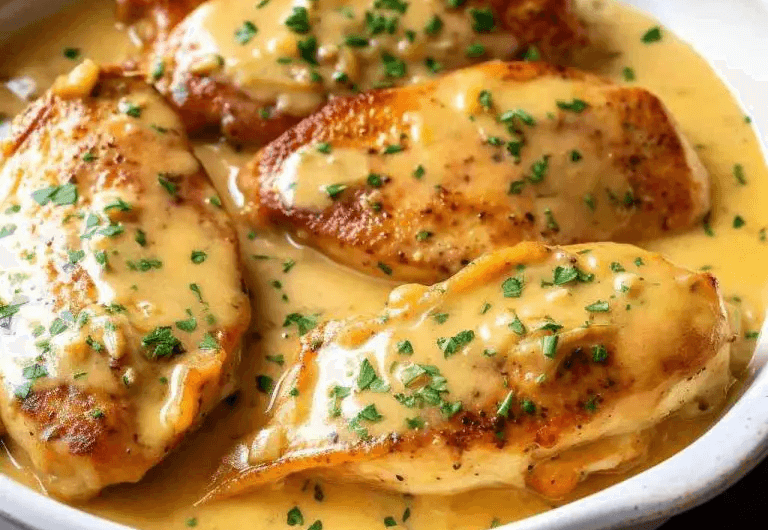
Mary Berry’s Dijon Chicken is a classic dish that beautifully blends flavors for a comforting meal. This dish showcases the elegant simplicity of home cooking, featuring tender chicken enveloped in a rich and tangy Dijon mustard sauce. Whether you’re preparing a weeknight dinner or a special occasion meal, this recipe is sure to impress.
The charm of Mary Berry’s Dijon Chicken lies in its balanced ingredients and straightforward process. Utilizing just a handful of elements, you can craft a dinner that feels luxurious without requiring hours in the kitchen. Let’s dive into the preparation of this delightful recipe.
Ingredients
- 4 chicken breasts
Chicken breasts serve as the primary protein in this dish, offering a mild flavor that absorbs the delicious mustard sauce well. Choosing boneless, skinless cuts ensures a tender outcome that's easy to cook, making it ideal for busy home cooks. - 2 tablespoons Dijon mustard
Dijon mustard provides a sharp, tangy flavor that adds complexity to the dish. It not only enhances the taste but also acts as a marinade, helping to keep the chicken juicy and flavorful throughout the cooking process. - 1 tablespoon olive oil
Olive oil is essential for sautéing the chicken, contributing moisture and richness. Its healthy fats also help in achieving a nice golden-brown sear while enhancing the overall flavor profile of the dish. - 1 onion, finely chopped
Onions serve as the flavor base for the sauce, providing sweetness and depth. When sautéed, they caramelize slightly, which brings out their natural sugars and adds a deliciously aromatic component to the dish. - 3 cloves garlic, minced
Garlic imparts a robust flavor that complements the Dijon mustard beautifully. Adding garlic also contributes to an aromatic profile that enhances the overall eating experience. - 1 cup chicken stock
Chicken stock forms the backbone of the sauce, providing moisture and rich flavor. It helps create a cohesive sauce while ensuring the chicken remains succulent during cooking. - 2 tablespoons heavy cream
Heavy cream adds a rich, velvety texture to the sauce, elevating the dish into a creamy delight. It helps round out the flavors, balancing the tanginess of the mustard with its smooth consistency. - Salt and pepper, to taste
Salt and pepper are essential seasonings that enhance the natural flavors of the chicken and sauce. Proper seasoning is crucial for achieving a well-balanced dish that highlights all the ingredients. - Fresh parsley, chopped (for garnish)
Chopped parsley adds a burst of color and freshness to the finished dish. Its mild herbal notes complement the rich sauce and provide a visually appealing presentation.
Directions & Preparation
Step 1: Preheat the oven to 200°C (400°F).
Preheating the oven is a crucial first step as it ensures that your chicken will cook evenly. A properly heated oven helps lock in moisture, ensuring the chicken remains juicy and thoroughly cooked without drying out.
Step 2: Heat olive oil in a large ovenproof skillet over medium heat.
Heating the olive oil before adding the chicken is important for creating a good sear. The oil should shimmer slightly before adding the chicken breasts, indicating that the pan is at the right temperature for browning, which adds rich flavor.
Step 3: Season the chicken breasts with salt and pepper, then add them to the skillet.
Seasoning the chicken at this stage is essential, allowing the flavors to penetrate the meat. Searing the chickens helps create a flavorful crust, adding depth to the overall dish while locking in the moisture.
Step 4: Cook the chicken for about 5-7 minutes on each side until golden brown.
Cooking the chicken until golden brown not only develops a beautiful color but also enhances its flavor through caramelization. This step is crucial for building the dish's base flavor and ensuring the chicken is properly cooked.
Step 5: Remove the chicken from the pan and set aside.
Setting the chicken aside allows you to focus on creating the sauce without overcrowding the pan. This step is essential for deglazing the skillet and ensuring all the browned bits contribute to the flavor of your sauce.
Step 6: In the same skillet, add the chopped onions and cook until softened.
Cooking the onions until softened releases their natural sweetness and forms the aromatic foundation of your sauce. This step also allows you to incorporate the flavors left from the chicken, making sure nothing goes to waste.
Step 7: Add minced garlic and cook for an additional minute.
Adding garlic after the onions ensures it does not burn, which can create a bitter taste. Cooking the garlic just until fragrant intensifies its flavor and aroma, enhancing the overall complexity of the dish.
Step 8: Stir in the Dijon mustard and cook for a minute to blend the flavors.
Combining the Dijon mustard with the onion and garlic allows the flavors to meld and intensify. This step is critical for ensuring the chicken is infused with a rich, tangy flavor that permeates the sauce.
Step 9: Pour in the chicken stock and bring to a simmer.
Adding chicken stock creates the sauce’s base and provides substantial flavor. Bringing it to a simmer allows the ingredients to meld, which is important for achieving a harmonious sauce that coats the chicken beautifully.
Step 10: Return the chicken to the skillet and spoon sauce over to coat.
Reintroducing the chicken to the skillet ensures it absorbs the sauce's flavors while cooking through. This step is essential for ensuring that every piece of chicken is enveloped in the delicious, tangy sauce.
Step 11: Drizzle with heavy cream and stir gently.
Incorporating heavy cream at this stage adds richness and smoothness to the sauce. This step is crucial for balancing the tanginess of the mustard, providing a luxurious texture.
Step 12: Transfer the skillet to the preheated oven and bake for 15-20 minutes.
Baking the dish allows the flavors to meld further while ensuring the chicken cooks through evenly. This step is vital for achieving perfectly tender chicken that remains moist and flavorful.
Step 13: Garnish with fresh parsley before serving.
Garnishing with fresh parsley enhances presentation and adds a fresh, herbaceous note to the dish. This final touch elevates the meal aesthetically and provides a lovely contrast to the rich sauce.
The Flavorful Role of Dijon Mustard
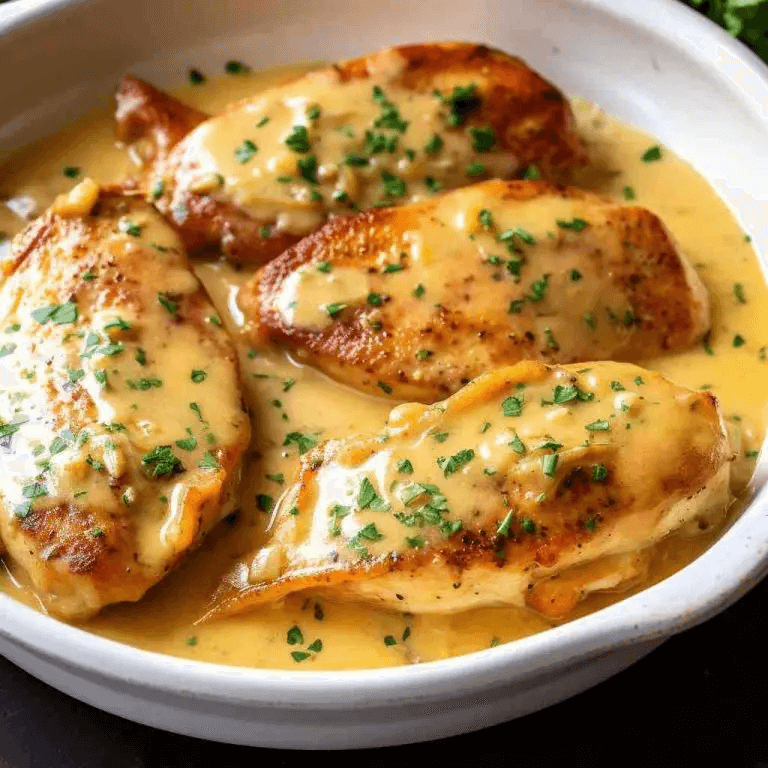
Dijon mustard is the star of this dish, contributing a zesty and tangy flavor that elevates the chicken. Its origins in France lend an air of sophistication, and the vinegar in mustard enhances the overall taste, making each bite memorable. This ingredient not only serves a flavor role but also aids in tenderizing the chicken, making it juicier. A crucial tip: don’t skimp on the mustard; it's what truly brings this dish together.
Perfectly Cooked Chicken: Key Tips
Achieving perfectly cooked chicken breast can sometimes be tricky. Properly seasoning the chicken, maintaining consistent heat during cooking, and allowing it to rest before slicing are all important aspects to consider. Searing the chicken until golden not only enhances flavor but also creates skin that helps retain juices. When cooked evenly and lovingly, you’ll find that each bite is tender and succulent, bringing Mary Berry’s recipe to life in your kitchen.
Pairing Suggestions for Dijon Chicken
When serving Mary Berry’s Dijon Chicken, consider pairing it with sides that complement its rich flavor profile. Creamy mashed potatoes or buttery roasted vegetables enhance the meal while also soaking up the delicious sauce. For a fresh twist, a simple arugula salad dressed with lemon brings brightness and balances the creaminess. Overall, think about textures and flavors that will enhance the dining experience, making every plate a feast for the senses.
FAQs
What can I do if the sauce is too thick?
If your sauce is too thick, simply add a splash more chicken stock or a bit of water to reach your desired consistency. Stir well to combine, and let it simmer for a few moments to meld the flavors.
How can I adjust the recipe for a larger crowd?
To scale up the recipe, increase the amount of chicken and all other ingredients proportionally. Ensure you use a larger skillet or multiple pans to avoid crowding, which can hinders cooking evenly.
What if the chicken turns out too dry?
If the chicken is overcooked and dry, make sure to keep an eye on the cooking times, particularly in the oven. Always use a meat thermometer; chicken should reach an internal temperature of 74°C (165°F) without exceeding it.
Can I use bone-in chicken instead of breasts?
Yes, you can use bone-in chicken pieces, but you will need to adjust the cooking times. Bone-in chicken takes longer to cook through compared to boneless cuts; ensure they reach the same 74°C (165°F) temperature for safety.
How can I make the dish spicier?
To add some heat to Mary Berry’s Dijon Chicken, consider incorporating a pinch of cayenne pepper or a dash of hot sauce directly into the mustard or sauce. Adjust gradually to taste, so it won't overwhelm the other flavors.
Is there a way to add more vegetables to the dish?
Absolutely! Adding seasonal vegetables like bell peppers, zucchini, or mushrooms alongside the onions can not only boost nutrition but also add layers of flavor. Stir them in right after the onions soften.
Conclusion
Mary Berry’s Dijon Chicken is not just a meal; it’s an experience rich with flavor and comfort. This dish, with its tender chicken and creamy sauce, invites you to gather around the table and enjoy. As you prepare it, remember that cooking should be joyous and fulfilling, and this recipe embodies that philosophy.
With a few simple ingredients and steps, you will create a dish that reflects the heart and soul of home cooking. Enjoy sharing it with loved ones and don’t forget to celebrate the joy that comes from cooking together.
Recipe Card
Notes
Additional serving suggestions: pair with a crisp salad, garlic bread, or roasted seasonal vegetables for balance.
For make-ahead, prep components separately and assemble just before heating to preserve texture.
Taste and adjust with acid (lemon/vinegar) and salt right at the end to wake up flavors.