Introduction
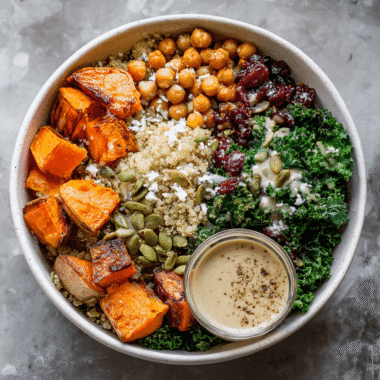
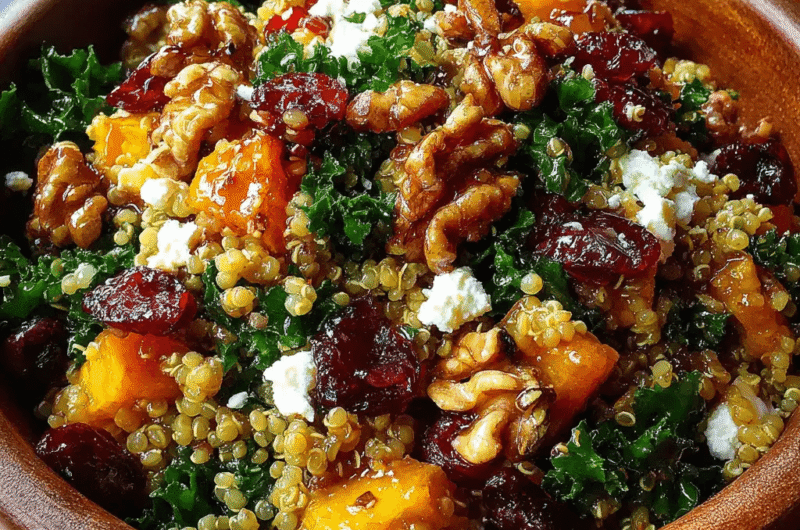
As the leaves turn golden and the air becomes crisp, it’s time to embrace the rich flavors of fall. An Autumn Harvest Grain Salad with Cranberries embodies the essence of this season, bringing together wholesome grains, vibrant vegetables, and the sweet-tart burst of cranberries. This dish not only satisfies your taste buds but also offers a palette of colors that brighten any table.
Perfect for cozy family dinners or as a centerpiece at holiday gatherings, this salad marries texture and flavor beautifully. Packed with nutrients, it can stand alone as a meal or complement your favorite protein. Let’s explore how to create a salad that captures the warmth of autumn, bringing comfort and excitement to your kitchen.
Ingredients
- 1 cup farro
Farro serves as the foundation of the salad, offering a chewy texture and nutty flavor. This ancient grain is rich in fiber, protein, and nutrients, ensuring that the salad is both hearty and wholesome. - 1/2 cup quinoa
Quinoa adds a light and fluffy texture that contrasts nicely with farro. This gluten-free grain is high in protein and contains all nine essential amino acids, making it an excellent superfood choice. - 1/2 cup dried cranberries
Dried cranberries contribute a sweet-tartness that balances the earthiness of the grains. They also provide antioxidants and a vibrant pop of color, enhancing the visual appeal of the dish. - 1 cup butternut squash, cubed
Roasted butternut squash brings warmth and a hint of sweetness, perfectly aligned with autumn flavors. Its creamy texture complements the grains while being rich in vitamins A and C. - 1/2 cup chopped pecans
Toasted pecans add a delightful crunch and nutty flavor. They enrich the salad with healthy fats and protein, making it more satiating. - 1/4 cup feta cheese, crumbled
Feta cheese provides a salty tang that elevates the overall flavor profile of the salad. It also adds a creamy texture that harmonizes with the crunch of the pecans and the chewiness of the grains. - 1/4 cup olive oil
Olive oil acts as the dressing base, adding richness and depth to the salad. It also enhances the absorption of fat-soluble vitamins from the vegetables. - 2 tablespoons apple cider vinegar
Apple cider vinegar adds brightness and acidity to the dish, balancing the flavors and enhancing the overall freshness. It ties together the sweet and savory elements beautifully. - Salt and pepper to taste
Seasoning with salt and pepper is crucial to enhance all the flavors in the salad. Adjust to your preference to ensure each bite is perfectly balanced.
Directions & Preparation
Step 1: Preheat the oven to 400°F (200°C) and line a baking sheet with parchment paper.
Preheating the oven is essential for roasting the butternut squash. This step allows for even cooking and caramelization, which amplifies the sweetness and flavor of the squash. Lining the baking sheet helps prevent sticking and simplifies cleanup.
Step 2: Toss the butternut squash cubes with olive oil, salt, and pepper, then spread them on the prepared baking sheet.
Coating the squash in olive oil ensures that it roasts evenly and becomes tender while enhancing its natural sweetness. Seasoning at this point allows the flavors to infuse as it cooks. Spreading the cubes in a single layer helps them roast rather than steam.
Step 3: Roast the squash for about 25-30 minutes, until tender and slightly caramelized.
Roasting time is crucial; check for tenderness with a fork and look for golden edges. This caramelization adds depth to the flavor profile. Keep an eye on the squash to prevent it from burning, as oven temperatures can vary.
Step 4: While the squash is roasting, rinse the farro and quinoa under cold water.
Rinsing the grains removes any excess starch, which can make them gummy during cooking. It also helps eliminate any possible bitterness from the quinoa. This simple step ensures that the grains cook up fluffy and light.
Step 5: In a large pot, combine the rinsed farro with 3 cups of water and a pinch of salt. Bring to a boil, then reduce to a simmer.
Cooking the farro in salted water enhances its flavor. Once boiling, reducing the heat allows it to simmer gently, resulting in tender grains without turning mushy. Follow package instructions for specific cooking times.
Step 6: In a separate pot, combine the quinoa with 1 cup of water and a pinch of salt. Bring to a boil, then reduce to a simmer.
Quinoa cooks quickly, typically in about 15 minutes. Adding salt enhances its flavor and contrasts beautifully with the other ingredients. Once cooked, fluff with a fork to separate the grains and keep it light.
Step 7: Once both the farro and quinoa are cooked, drain any excess water and let them cool slightly.
Allowing the grains to cool prevents wilting the salad ingredients when mixed. This cooling phase also helps maintain the ideal texture of the grains and prepares them to absorb the dressing.
Step 8: In a large bowl, combine the roasted butternut squash, farro, quinoa, dried cranberries, and pecans.
Combining these elements creates a beautiful mosaic of flavors and textures. Ensure even distribution so that every serving includes a balanced mix of grains, sweetness, and crunch.
Step 9: In a small bowl, whisk together the olive oil, apple cider vinegar, salt, and pepper. Pour over the salad and toss gently to combine.
Making the dressing separately ensures that all ingredients are evenly coated. A gentle toss helps combine the flavors without breaking apart the grains or softening the squash too much.
Step 10: Top with crumbled feta cheese and serve immediately or refrigerate for up to an hour to let the flavors meld.
Adding feta just before serving preserves its texture and prevents it from becoming too soft. If allowing the salad to rest, the flavors will deepen, creating a harmonious dish. Serve it as a standalone meal or a side.
Highlighting Seasonal Ingredients
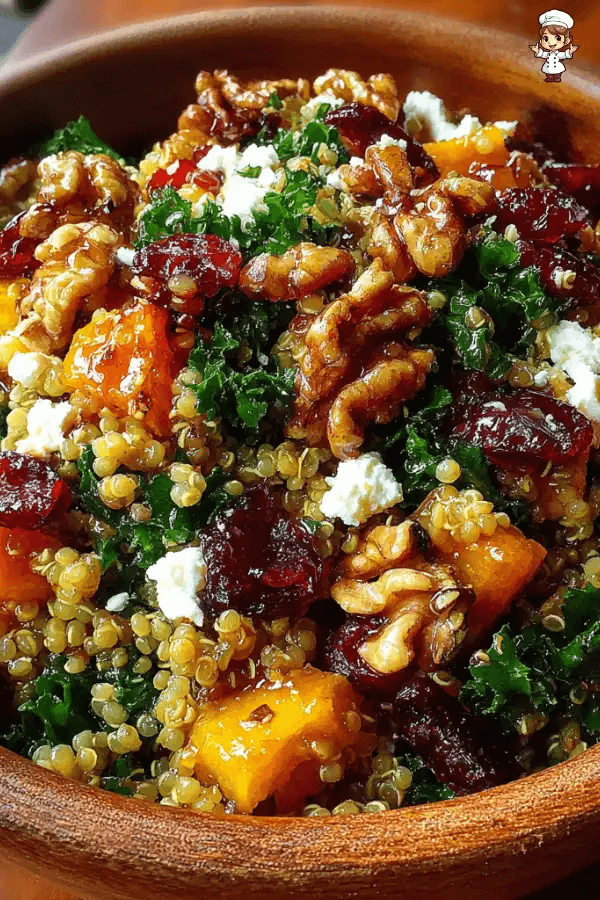
This Autumn Harvest Grain Salad celebrates the bounty of fall produce. Seasonal ingredients like butternut squash and cranberries not only provide distinct flavors but also showcase vibrant colors that reflect the changing landscape. Incorporating these elements brings freshness to your table, encouraging the use of local produce and inspiring a sustainable approach to cooking.
Textural Harmony in Every Bite
The beauty of this salad lies in its diverse textures—from the nutty chew of the grains to the creamy softness of the feta and the crunch of the pecans. Each element plays a role in creating a satisfying experience, ensuring that every forkful is both enjoyable and exciting. This textural variety can turn a simple salad into a compelling dish that captivates the palate.
Versatility for Any Occasion
This grain salad is incredibly versatile, making it suitable for casual meals, festive gatherings, or even as a meal-prep option for busy weeks. Adjust the ingredients based on what you have on hand or any dietary preferences, making it a flexible choice for a multitude of occasions. Whether served warm or chilled, it's sure to impress guests and family alike.
FAQs
What other grains can I use in this salad?
You can substitute farro and quinoa with other grains like barley, bulgur, or brown rice for similar textures and flavors.
How can I add more protein to the salad?
Incorporate cooked chicken, chickpeas, or lentils for a protein boost, making this salad even more filling.
What should I do if the salad is too dry?
If your salad seems dry, drizzle a bit more olive oil or a splash of vinegar to add moisture and enhance flavor.
Can I use fresh cranberries instead of dried?
Fresh cranberries are quite tart; consider using them in a sauce or sweetening them before adding to the salad to maintain balance.
How do I prevent overcooking the farro?
Keep an eye on the farro as it cooks, and start checking for doneness a few minutes before the package suggests to avoid mushiness.
What can I add for some extra spice?
Consider adding a pinch of cayenne pepper or diced jalapeños to give the salad a little heat without overpowering the other flavors.
Conclusion
Creating an Autumn Harvest Grain Salad with Cranberries is a celebration of the season's flavors, colors, and textures. With minimal effort, you can create a dish that not only nourishes the body but delights the senses.
This salad is not just a side; it’s a versatile dish that can adapt to your needs and preferences, proving that healthy eating can be delicious. Embrace the harvest and enjoy a bowlful of autumn today.
Recipe Card
Notes
Additional serving suggestions: pair with a crisp salad, garlic bread, or roasted seasonal vegetables for balance.
For make-ahead, prep components separately and assemble just before heating to preserve texture.
Taste and adjust with acid (lemon/vinegar) and salt right at the end to wake up flavors.