Introduction
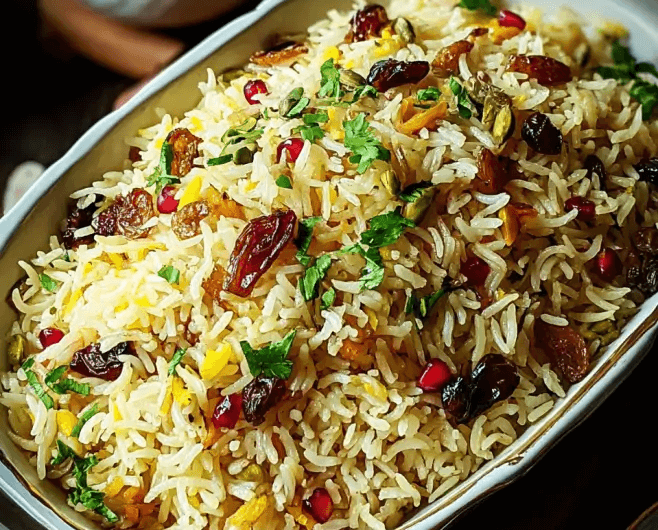
Persian Jeweled Rice, or 'Shirin Polow', is a vibrant and aromatic dish that captivates both the eye and the palate. Known for its colorful presentation and exquisite flavors, this rice dish is often served during special occasions, symbolizing prosperity and happiness.
The interplay of sweet and savory elements makes it a beloved staple in Persian cuisine. Enhanced with nuts, spices, and fruits, it provides a wonderful counterpoint to rich meats or as a stand-alone vegetarian dish. Discovering how to prepare Jeweled Rice unlocks a treasure trove of flavors.
Ingredients
- 2 cups basmati rice
Basmati rice is essential due to its long, slender grains and fragrant aroma. When cooked, it becomes fluffy and separates beautifully, creating the perfect base for this colorful dish. - 1/4 cup golden raisins
Golden raisins offer a sweet burst that contrasts nicely against the savory elements of the dish. Their chewy texture complements the rice, creating a delightful mouthfeel. - 1/4 cup slivered almonds
Slivered almonds add a crunchy texture and a rich, nutty flavor. Toasting them before mixing enhances their depth and makes them even more fragrant. - 1/4 cup pistachios, shelled and chopped
Pistachios not only contribute a unique taste but also introduce a pop of color. They are a staple in Persian cooking, known for their creamy, slightly sweet flavor. - 1/4 cup barberries (or dried cranberries)
Barberries impart a tangy flavor that balances the sweetness of the raisins and adds complexity. If unavailable, dried cranberries can serve as a good substitute. - 1/2 teaspoon saffron threads
Saffron is a luxurious spice that infuses the rice with a golden hue and a delicate flavor. Its floral notes elevate the entire dish, making it truly special. - 1/2 teaspoon ground cinnamon
Cinnamon adds warmth and depth to the flavor profile, enhancing the dish's overall aromatic quality. - 1/2 teaspoon cardamom pod, crushed
Cardamom brings a sweet, spicy aroma that complements the other flavors well. Its distinct taste is a hallmark of many Persian dishes. - 4 tablespoons butter
Butter provides richness and a smooth mouthfeel to the rice. It also helps in achieving a slightly crispy bottom layer, known as 'tadig'. - Salt, to taste
Salt is crucial for enhancing and balancing flavors, ensuring that all elements of the dish are well-seasoned. - 2 cups water or broth
Using water or broth to cook the rice influences the overall flavor. Broth adds a savory note, enhancing the richness of the dish.
Directions & Preparation
Step 1: Rinse the basmati rice.
Begin by rinsing the basmati rice under cold water until the water runs clear. This step removes excess starch and prevents the rice from becoming sticky. It’s crucial for achieving fluffy grains that separate easily during cooking.
Step 2: Soak the rice for 30 minutes.
Soaking allows the grains to absorb water, which helps them cook evenly and results in a tender texture. This step enables the rice to expand, enhancing the overall cooking process.
Step 3: Prepare the saffron infusion.
While the rice soaks, infuse saffron in a tablespoon of hot water. This extraction releases the color and flavor of saffron, allowing it to integrate beautifully into the rice when cooked.
Step 4: Toast the nuts in butter.
In a skillet, melt two tablespoons of butter over medium heat and toast the almonds and pistachios until fragrant. This not only enhances their flavor but also adds a lovely crunchy texture to the final dish.
Step 5: Cook the rice in boiling water.
Bring a large pot of salted water to a boil and add the soaked rice. Cook until the grains are slightly soft but still firm, usually around 6-8 minutes. Par-cooking ensures that the rice maintains integrity during the final steaming.
Step 6: Drain the rice and layer it with fillings.
Once the rice is par-cooked, carefully drain it in a colander. In the same pot, layer the rice with the toasted nuts, raisins, barberries, cinnamon, and cardamom. This layering allows the flavors to meld together during the next cooking phase.
Step 7: Steam the rice mixture.
Add the soaked saffron infusion and remaining butter over the layered rice, then cover with a clean kitchen towel and the pot lid. Steaming for about 30 minutes on low heat allows the flavors to concentrate and the rice to fully cook.
Step 8: Fluff and serve.
Once done steaming, remove the lid and fluff the rice gently with a fork. This step is pivotal to air out the grains and separate them. Serve the Jeweled Rice either warm or at room temperature, garnished with additional nuts and dried fruits if desired.
The Tradition of Persian Jeweled Rice
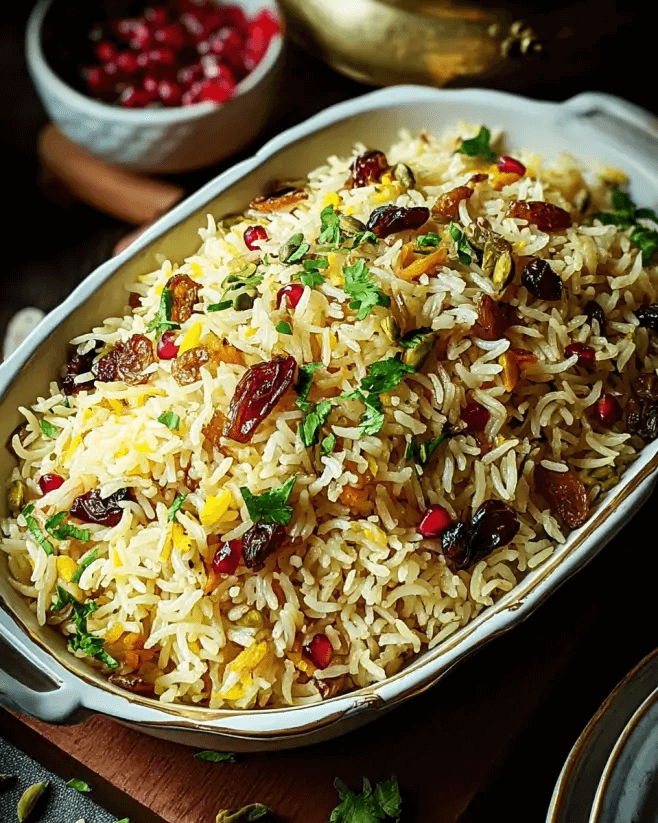
Persian Jeweled Rice is steeped in history and cultural significance. Traditionally, it is served during celebrations and gatherings, representing prosperity and happiness. Families often have their own variations, passed down through generations, showcasing regional ingredients and personal touches.
Choosing the Right Ingredients
The success of Jeweled Rice lies in the quality of its ingredients, particularly the basmati rice and saffron. Basmati should be aged for the best flavor and texture. Fresh saffron threads enrich the dish with a vibrant color and a complex taste. Opt for high-quality nuts and dried fruits to elevate the entire dish.
Serving Suggestions and Pairings
Persian Jeweled Rice pairs beautifully with grilled meats, stews, or can be enjoyed on its own. It's often served alongside yogurt or a simple salad, making for a balanced meal. For a festive touch, consider garnishing with fresh herbs or pomegranate seeds, enhancing both flavor and presentation.
FAQs
What can I do if my Persian Jeweled Rice is too sticky?
If your rice turns out sticky, it could be due to insufficient rinsing or overcooking. To remedy this, spread the rice out on a baking sheet to let it cool slightly and then gently fluff with a fork.
Can I substitute barberries with another dried fruit?
Yes, dried cranberries or currants can be used in place of barberries, although they will alter the flavor profile slightly. Cranberries are sweeter while currants are more similar to barberries in taste.
How can I make the dish more fragrant?
Enhancing the aroma can be achieved by toasting spices like cardamom and cinnamon before adding them to your rice. Additionally, using high-quality saffron will significantly boost the overall fragrance.
Can I scale this recipe for a larger gathering?
Absolutely! Simply multiply the ingredients accordingly. Ensure you have a large enough pot for cooking and consider steaming in batches if necessary to maintain even cooking.
What if the rice tastes bland after cooking?
If the rice lacks flavor, make sure to adjust seasoning during preparation. Consider incorporating more spices or a splash of broth in the cooking water to enhance the taste.
How can I prevent my rice from overcooking?
To prevent overcooking, keep an eye on the par-cooking stage and check the rice frequently. Once it becomes slightly soft, drain and proceed to layering quickly.
Conclusion
Persian Jeweled Rice is more than just a side dish; it embodies the artistry and culture of Persian cuisine. Its combination of colors, textures, and flavors creates a dish that is simply unforgettable.
As you try your hand at making this recipe, remember that the joy lies in the details, from selecting quality ingredients to the final presentation. Enjoy sharing this culinary masterpiece with family and friends.
Recipe Card
Notes
Additional serving suggestions: pair with a crisp salad, garlic bread, or roasted seasonal vegetables for balance.
For make-ahead, prep components separately and assemble just before heating to preserve texture.
Taste and adjust with acid (lemon/vinegar) and salt right at the end to wake up flavors.