Introduction
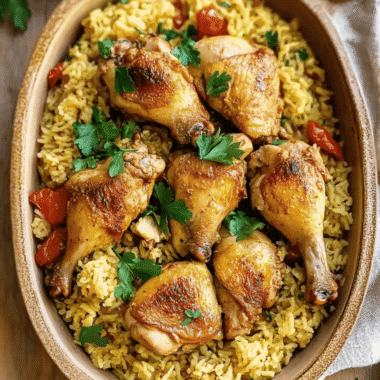
Roasted chicken is a timeless dish that comfortingly graces family tables, but infusing it with unexpected flavors can elevate the experience. Enter Lemon-Sumac Roasted Chicken, a vibrant twist that marries the tanginess of lemon with the earthy, tart kick of sumac. This dish offers a delightful journey for your taste buds and presents a beautiful centerpiece for any occasion.
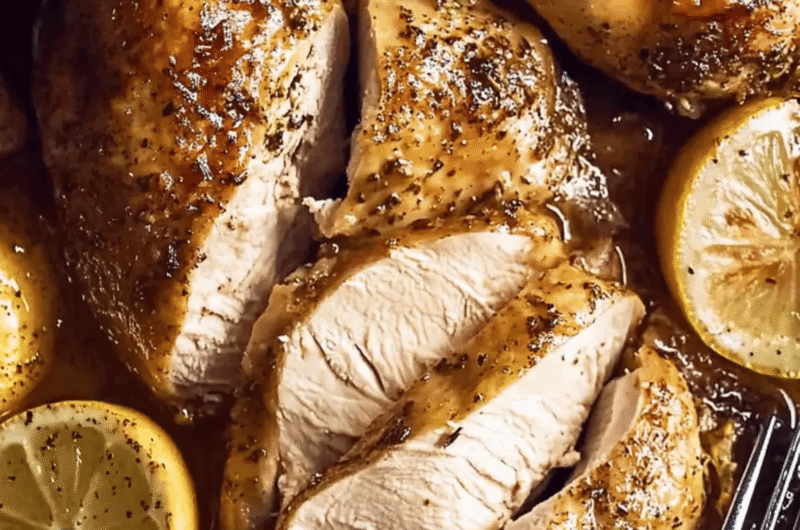
The process of roasting chicken captures the essence of savory goodness, enhanced by the zesty nuances of lemon and sumac. As the chicken roasts, natural juices combine with the marinade, creating a succulent, aromatic experience. In this article, you will discover how to prepare this tantalizing dish that is sure to impress friends and family alike.
Ingredients
- 1 whole chicken (4-5 lbs)
Choosing a quality whole chicken is essential for optimal flavor and tenderness. A well-raised chicken will yield juicy meat, enhancing the overall taste. - 4 tablespoons olive oil
Olive oil serves as a marinade base, promoting even cooking and helping flavors meld. It also contributes a rich mouthfeel to the dish. - 2 tablespoons sumac
Sumac adds a citrusy, tangy flavor that brightens the chicken beautifully. Its vibrant red color also enhances the visual appeal of the dish. - 2 lemons (zested and juiced)
Lemon juice tenderizes the chicken while infusing it with brightness. The zest provides additional aromatic oils that enrich the dish. - 4 garlic cloves (minced)
Garlic infuses the chicken with an aromatic depth that complements the acidity of the lemon and the tartness of the sumac. - 1 teaspoon salt
Salt is fundamental for enhancing flavors, helping to draw out the natural juices and ensuring a well-seasoned dish. - 1 teaspoon black pepper
Black pepper adds mild heat and complexity, balancing the tartness of the sumac and the brightness of the lemon. - 1 teaspoon paprika
Paprika contributes a subtle smokiness and a vibrant color to the chicken’s skin, making it visually appealing and delicious. - Fresh parsley (for garnish)
Chopped fresh parsley adds a burst of color and freshness, inviting guests to dig into the dish while providing a light herbal note.
Directions & Preparation
Step 1: Preheat the oven to 425°F (220°C).
Preheating the oven is crucial for achieving an evenly cooked chicken with crisp skin. Starting in a hot oven helps to sear the outside, sealing in moisture.
Step 2: Prepare the marinade by combining olive oil, sumac, lemon juice, zest, minced garlic, salt, black pepper, and paprika in a bowl.
Creating the marinade allows the flavors to meld together, ensuring an even distribution when applied to the chicken. This mixture will coat the chicken, enhancing flavor penetration and tenderness.
Step 3: Pat the chicken dry with paper towels to ensure crispy skin.
Drying the chicken helps remove excess moisture, promoting the Maillard reaction. This results in a beautifully roasted, golden-brown skin that is both crispy and flavorful.
Step 4: Rub the marinade all over the chicken, including under the skin where possible.
Applying the marinade directly under the skin allows the flavors to permeate the meat, resulting in a deeply seasoned and succulent chicken. Be generous to ensure every bite is flavorful.
Step 5: Place the chicken in a roasting pan and tuck the wing tips under the body to prevent burning.
Tucking the wings helps to create an even shape for roasting, which assists with uniform cooking. It also prevents any parts of the chicken from overcooking.
Step 6: Roast in the preheated oven for 1 hour and 15 minutes, or until the internal temperature reaches 165°F (74°C).
Monitoring the internal temperature is vital for food safety and ensuring juiciness. An instant-read thermometer will help gauge doneness without cutting into the meat.
Step 7: Let the chicken rest for about 10-15 minutes before carving.
Resting allows the juices to redistribute throughout the meat, ensuring each slice is moist and flavorful. It also makes the carving process easier.
Step 8: Garnish with chopped parsley before serving.
The fresh parsley not only enhances presentation but also adds a final touch of brightness to complement the dish's flavors. It invites guests to enjoy the meal.
The Role of Sumac in Middle Eastern Cuisine
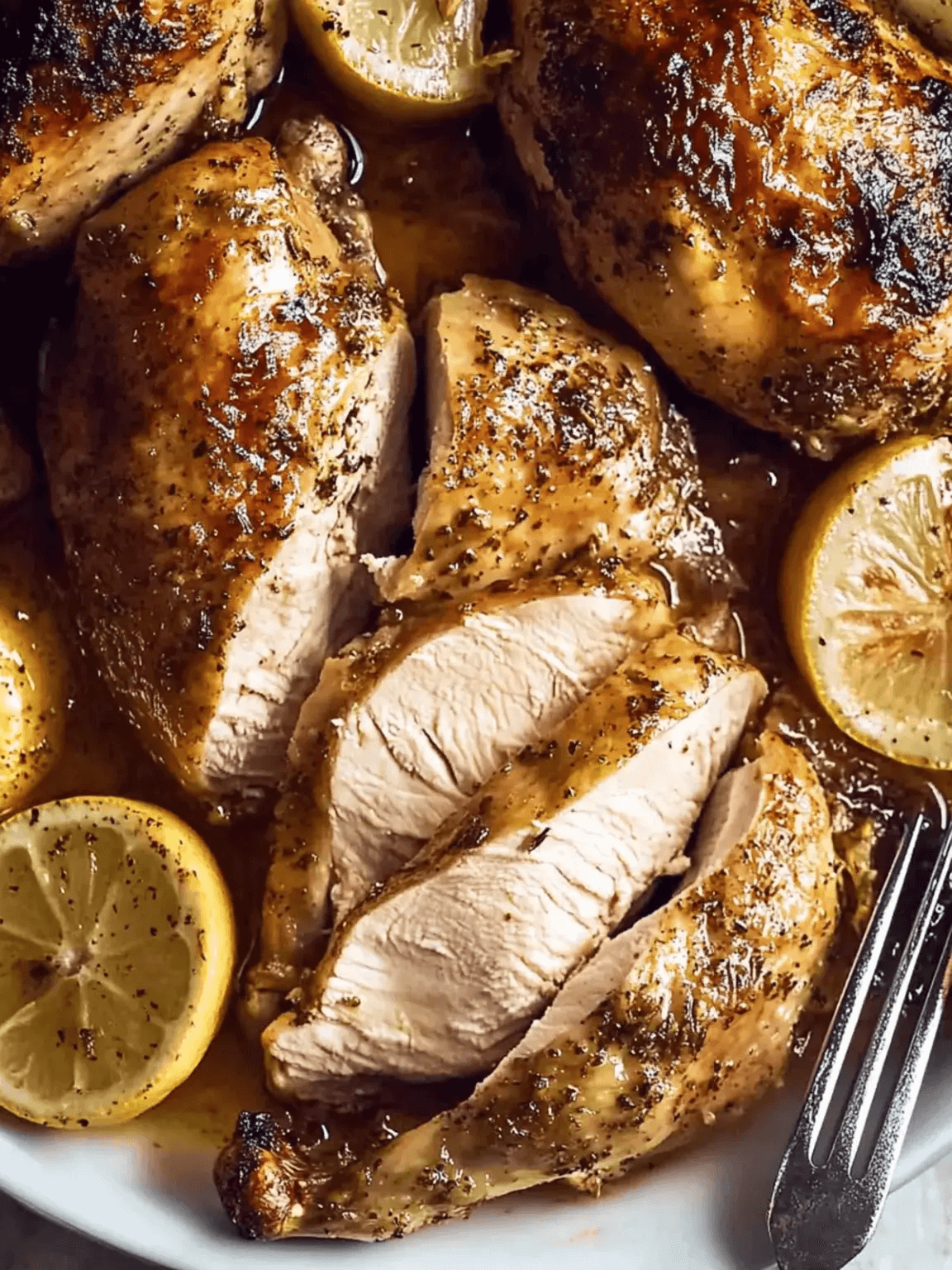
Sumac, a key ingredient in this recipe, is often used in Middle Eastern cooking and has a distinctive tanginess that sets it apart. This beloved spice is not only flavorful but also adds a lovely pop of color to dishes. Incorporating sumac into the Lemon-Sumac Roasted Chicken enriches the meal with both cultural depth and culinary excitement.
Balancing Flavors for Culinary Success
Successful cooking is often about balance, especially in a dish like Lemon-Sumac Roasted Chicken. The acidity of the lemon harmonizes with the aromatic garlic and the earthy tone of sumac, creating a complex flavor profile that delights the palate. Achieving this balance ensures that no single flavor overwhelms the other, leading to a well-rounded dish.
Utilizing Leftovers Creatively
Leftover Lemon-Sumac Roasted Chicken can become the star of many new dishes. Consider slicing it for salads, shredding it for tacos, or adding it to soups and stir-fries. The bold flavors of the chicken can elevate these meals, allowing for delightful variations and minimizing food waste while keeping your weeknight dinners interesting.
FAQs
Why is my chicken not browning properly?
Insufficient preheating, too much moisture, or overcrowding the oven can prevent browning. Ensure the oven is fully preheated, the chicken is dry, and avoid placing too many items together.
What can I do if the chicken is bland?
If the chicken seems bland after cooking, consider using a more generous amount of seasoning or marinating longer next time. You can also serve it with a flavorful sauce or chutney.
How can I adjust the spice levels for different tastes?
To adjust spice levels, experiment with the quantity of sumac and paprika. If you prefer a milder dish, reduce them or add more olive oil to mellow the flavors.
Why is my chicken overcooked and dry?
Overcooking can occur if the internal temperature exceeds 165°F (74°C). Use a meat thermometer to monitor cooking and remove the chicken as soon as it reaches the desired temperature.
Can I substitute sumac with another spice?
If sumac is unavailable, you can use lemon zest combined with a touch of salt to mimic its tart flavor. It won’t be an exact match, but it provides similar brightness.
What other herbs or spices can enhance this dish?
Adding fresh herbs like thyme or rosemary can complement the flavors in the chicken. Consider adjusting the lemon and sumac quantities to accommodate the added herbs.
Conclusion
Lemon-Sumac Roasted Chicken is more than just a culinary dish; it’s an invitation to explore flavors and traditions. The simplicity of roasting combined with the bold tastes of lemon and sumac create a memorable meal that stands out in any gathering.
Whether serving it for a special occasion or a simple family dinner, this recipe brings warmth and joy to the table. With its vibrant flavors and appealing presentation, Lemon-Sumac Roasted Chicken is sure to become a favorite in your home cooking repertoire.
Recipe Card
Notes
Additional serving suggestions: pair with a crisp salad, garlic bread, or roasted seasonal vegetables for balance.
For make-ahead, prep components separately and assemble just before heating to preserve texture.
Taste and adjust with acid (lemon/vinegar) and salt right at the end to wake up flavors.