
Introduction
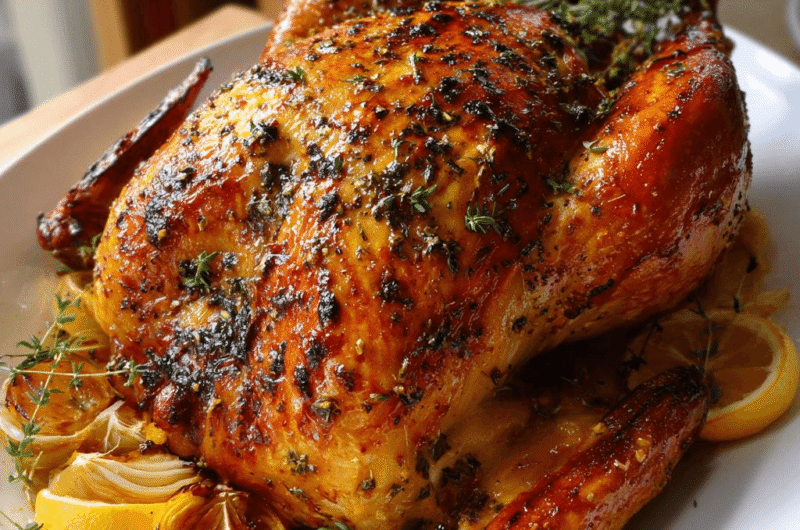
Thanksgiving is right around the corner, and the centerpiece of the table usually comes in the form of a magnificent turkey. It's important not just to roast it perfectly, but to season it well so that each bite is bursting with flavor. The right combination of spices, herbs, and aromatics can elevate your turkey from ordinary to extraordinary.
Seasoning a turkey is both an art and a science. While there are traditional flavors, the way you apply them can lead to different results. Brining, dry rubbing, or simply using herbs with garlic and citrus can all make a significant difference in moisture, flavor, and overall appeal. Let’s dive into how you can achieve a beautifully seasoned turkey for your Thanksgiving feast.
Ingredients
- 1 whole turkey (12-14 lbs)
Choosing a quality turkey is essential for the best flavor. Fresh or frozen, both types will benefit from proper seasoning and preparation, but a fresh turkey may offer a slight edge in taste. - 1/2 cup kosher salt
Kosher salt is ideal for brining due to its larger grains and ability to distribute flavor evenly without over-salting. It helps to both season and tenderize the turkey. - 1/2 cup brown sugar
Brown sugar adds a hint of sweetness that balances well with the savory notes of the turkey. It also helps in caramelizing the skin during roasting, giving it a beautiful color and flavor. - 2 tablespoons black pepper
Freshly ground black pepper provides a subtle heat that enhances the natural flavors of the turkey. It’s a foundational seasoning that should not be overlooked. - 1 tablespoon garlic powder
Garlic powder brings in earthy tones and enhances the savory profile of the turkey. It infuses deep flavor without the need for fresh garlic. - 1 tablespoon onion powder
Similar to garlic powder, onion powder contributes a rich, aromatic sweetness that complements the meat's natural juices. - 2 tablespoons fresh thyme leaves
Fresh herbs like thyme introduce a bright, aromatic element. They also lend their flavor to both the meat and the cooking juices. - 1 tablespoon fresh rosemary, chopped
Rosemary has a strong aromatic flavor that pairs beautifully with turkey. Its piney notes resonate well with the earthy components of the dish. - 1 lemon, zested and quartered
Lemon zest adds a refreshing brightness to the seasoning mix. When placed inside the cavity, it imparts a subtle citrus aroma during roasting. - 1 stick unsalted butter, softened
Butter helps to break down proteins and moisture, leading to a juicy turkey. Rubbing it under the skin with seasoning enhances flavor while keeping the meat tender. - 1 tablespoon olive oil
Olive oil can be used in conjunction with butter or as a healthier fat alternative. It helps the seasonings adhere to the turkey skin for an even distribution of flavor.
Directions & Preparation
Step 1: Brine the turkey for optimal flavor and moisture
Brining is crucial for ensuring that your turkey does not dry out during roasting. By soaking the turkey in a mixture of water, salt, and sugar, you allow the meat to absorb moisture and flavor. Plan on brining for 12 to 24 hours depending on the turkey size. Make sure to rinse it well afterward to remove excess salt.
Step 2: Prepare the seasoning mix
Mix all the dry ingredients—kosher salt, brown sugar, black pepper, garlic powder, onion powder, and chopped herbs—together in a bowl. This ensures an even distribution of the flavors when applied to the turkey. The combination of sweet and savory elements will result in a beautifully balanced flavor profile.
Step 3: Prepare the turkey for seasoning
After brining and rinsing, pat the turkey dry inside and out. This helps the skin crisp up during cooking. Ensure that the cavity is free of giblets, making it ready for seasoning and additional flavors such as herbs or citrus.
Step 4: Rub the turkey with butter and oil
Rub softened butter under the skin of the turkey and on the outside. The oil can serve to help crisp the skin as it roasts. This step is essential for achieving a golden, crunchy exterior while ensuring that the inside remains moist.
Step 5: Apply the seasoning mix evenly
Sprinkle the seasoning all over the turkey, both outside and inside the cavity. This is crucial as it allows the flavors to penetrate the meat, not just sit on top. Don't forget to really work it into the skin where it adheres best.
Step 6: Insert lemon and herbs into the turkey cavity
Placing quartered lemon and additional herbs in the cavity gives the turkey extra flavor. As it roasts, the steam will help to circulate the citrus and herb aromas, enriching the overall taste.
Step 7: Roast the turkey at the right temperature
Preheat your oven to 325°F (165°C) for a slow roast. Begin by cooking the turkey breast-side up to allow the juices to sink into the breast meat. Make sure to baste occasionally for moistness and flavor.
Step 8: Check the internal temperature before serving
Using a meat thermometer, measure the turkey's internal temperature. It should reach 165°F (74°C) in the thickest part of the breast and thigh. This check is essential to ensure that the turkey is safely cooked and juicy.
Step 9: Let the turkey rest before carving
Resting the turkey is vital for allowing the juices to redistribute throughout the meat. If you carve too soon, those juices will run out, resulting in a dry turkey. Be patient, and rest it for at least 20-30 minutes.

Brining Dynamics: How Salt Transforms Turkey
When you brine a turkey, you're not just adding salt; you're changing the structure of the muscle fibers. Salt enables the meat to hold onto water better, resulting in a juicier and more flavorful turkey. The process also helps to break down proteins, which can tenderize the meat. An effective brine allows for flavor absorption, which is why it’s a crucial step.
The Magic of Herb Butter in Seasoning
Herb butter is a transformative ingredient that not only flavors the turkey but also acts as a moisture barrier. By sliding it beneath the skin, you can introduce your herbs directly to the meat, ensuring that the flavors are deeper and more pronounced. It also helps achieve that appealing golden-brown finish that everyone loves.
The Role of Aromatics in Flavoring
Incorporating aromatics such as onion, garlic, and citrus not only enhances the flavor but also adds freshness to the turkey's overall profile. As these ingredients heat in the cavity, they release essential oils and steam, which cook the turkey from the inside out and contribute to moistness, making every bite enjoyable.
FAQs
What should I do if my turkey is over-seasoned?
If the turkey is over-seasoned, try to balance it by serving it with a side of a tangy sauce or gravy to cut the saltiness. Additionally, a generous side of other neutral side dishes can help mitigate the intensity.
I feel my turkey is bland. What can I do?
If your turkey lacks flavor, it may be under-seasoned or not brined adequately. Consider letting it rest in a flavorful marinade before roasting or serve with a robust sauce to enhance the overall taste.
What herbs pair well with turkey?
Common herbs that complement turkey include thyme, rosemary, sage, and parsley. These herbs can be used either fresh or dried and will bring out the best in your dish.
Can I adjust the seasoning according to dietary needs?
Yes, you can reduce salt in the recipe if necessary. However, consider using other flavorful additions like herbs, lemon zest, or spices to maintain a robust flavor profile.
How do I prevent my turkey from drying out?
To prevent dryness, be sure to brine the turkey adequately and monitor the cooking temperature. Using a thermometer will keep you from overcooking the meat.
What should I do if I don’t have fresh herbs?
If fresh herbs aren’t available, you can use dried herbs instead, but remember to use about one-third of the amount since dried herbs are more concentrated in flavor.
Conclusion
Seasoning a turkey for Thanksgiving is a rewarding endeavor. With the right mix of salts, sugars, and flavors, you can create a mouthwatering centerpiece that everyone will remember. The joy of Thanksgiving is about gathering around food, and a well-seasoned turkey can bring your family together in a way that nothing else can.
By following these seasoning techniques, you can boost the flavor of your turkey and ensure it retains moisture during cooking. Enjoy the preparation, the aroma filling your kitchen, and, of course, the delighted expressions as everyone savors the fruits of your labor.
Recipe Card
Notes
Additional serving suggestions: pair with a crisp salad, garlic bread, or roasted seasonal vegetables for balance.
For make-ahead, prep components separately and assemble just before heating to preserve texture.
Taste and adjust with acid (lemon/vinegar) and salt right at the end to wake up flavors.