Introduction
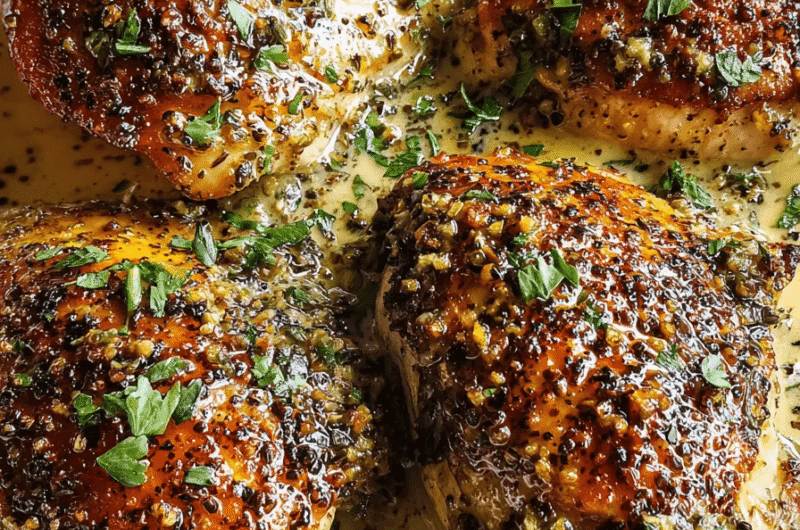
French cuisine is celebrated for its rich flavors and elegant techniques, and one dish that exemplifies this is French Mustard Chicken. This delightful recipe combines tender chicken with a creamy, tangy mustard sauce, creating a comforting meal that feels both rustic and refined.
The star ingredient, mustard, adds not only a sharp bite but also enhances the overall flavor profile of the dish. When paired with aromatic herbs and garlic, the dish becomes a perfect showcase of how a few components can come together to create something extraordinary.
Whether you're preparing a casual dinner or entertaining guests, French Mustard Chicken is versatile enough to impress. Serve it with a crusty baguette or over creamy mashed potatoes to soak up the delicious sauce.
Ingredients
- 4 chicken breasts
Chicken breasts provide lean protein and a tender texture that absorbs flavors well. Their mild taste allows the zesty mustard sauce to shine, making the chicken a perfect canvas for the dish. - 3 tablespoons Dijon mustard
Dijon mustard imparts a punchy flavor and creamy consistency that elevates the sauce. Its tangy profile balances the sweetness of other ingredients, giving the dish depth and character. - 1 cup heavy cream
Heavy cream adds richness and velvety smoothness to the sauce, creating a luxurious mouthfeel. It also helps to mellow out the sharpness of the mustard, resulting in a harmonious blend of flavors. - 2 tablespoons olive oil
Olive oil acts as the medium for sautéing the chicken, contributing healthy fats and a subtle flavor. It helps achieve a golden-brown crust while keeping the chicken moist during cooking. - 1 small onion, diced
Onions provide a savory base for the sauce, bringing sweetness and complexity. They caramelize during cooking, enhancing the overall flavor of the dish. - 2 cloves garlic, minced
Garlic adds aromatic properties and an earthy undertone to the dish. Its flavor becomes more potent when sautéed, infusing the sauce with a delightful fragrance. - 1 tablespoon fresh thyme leaves
Thyme brings herbal notes and a fragrant quality to the dish. This aromatic herb complements the mustard's tang and elevates the overall taste profile. - Salt and pepper, to taste
Seasoning with salt and pepper is crucial in enhancing all the dish's flavors. It rounds out the taste, ensuring that every bite is flavorful and well-balanced.
Directions & Preparation
Step 1: Prepare the chicken breasts.
Begin by patting the chicken breasts dry with paper towels; this step is essential for achieving a nice sear. Season both sides generously with salt and pepper. This not only adds flavor but also enhances the browning process, creating a flavorful crust.
Step 2: Sauté the chicken.
In a large skillet, heat the olive oil over medium-high heat. Once hot, add the chicken breasts and cook for about 6-7 minutes on each side until they are golden brown and cooked through. Proper searing locks in juices, ensuring your chicken remains moist and flavorful.
Step 3: Remove chicken and sauté onions and garlic.
After the chicken is cooked, transfer it to a plate and cover it to keep warm. In the same skillet, add the diced onion and sauté until translucent, about 3-4 minutes. Stir in the minced garlic and cook for an additional minute. This step builds the sauce's foundation, infusing it with aromatic flavors.
Step 4: Add mustard and cream.
Stir in the Dijon mustard, coating the onion and garlic mixture, which will begin to create the sauce. Gradually pour in the heavy cream, whisking to combine. The creamy texture will counterbalance the sharpness of the mustard, forming a rich sauce.
Step 5: Add thyme and return chicken to skillet.
Once the sauce is smooth, add the fresh thyme, stirring it into the mixture. Return the chicken to the skillet, spooning some sauce over it. Allow everything to simmer for about 5 minutes, letting flavors meld together while keeping the chicken warm and moist.
Step 6: Taste and adjust seasoning.
Before serving, taste the sauce and adjust the seasoning with additional salt and pepper as needed. This final check ensures your flavors are balanced and that the dish has the right level of seasoning to enhance the overall experience.
Step 7: Serve hot.
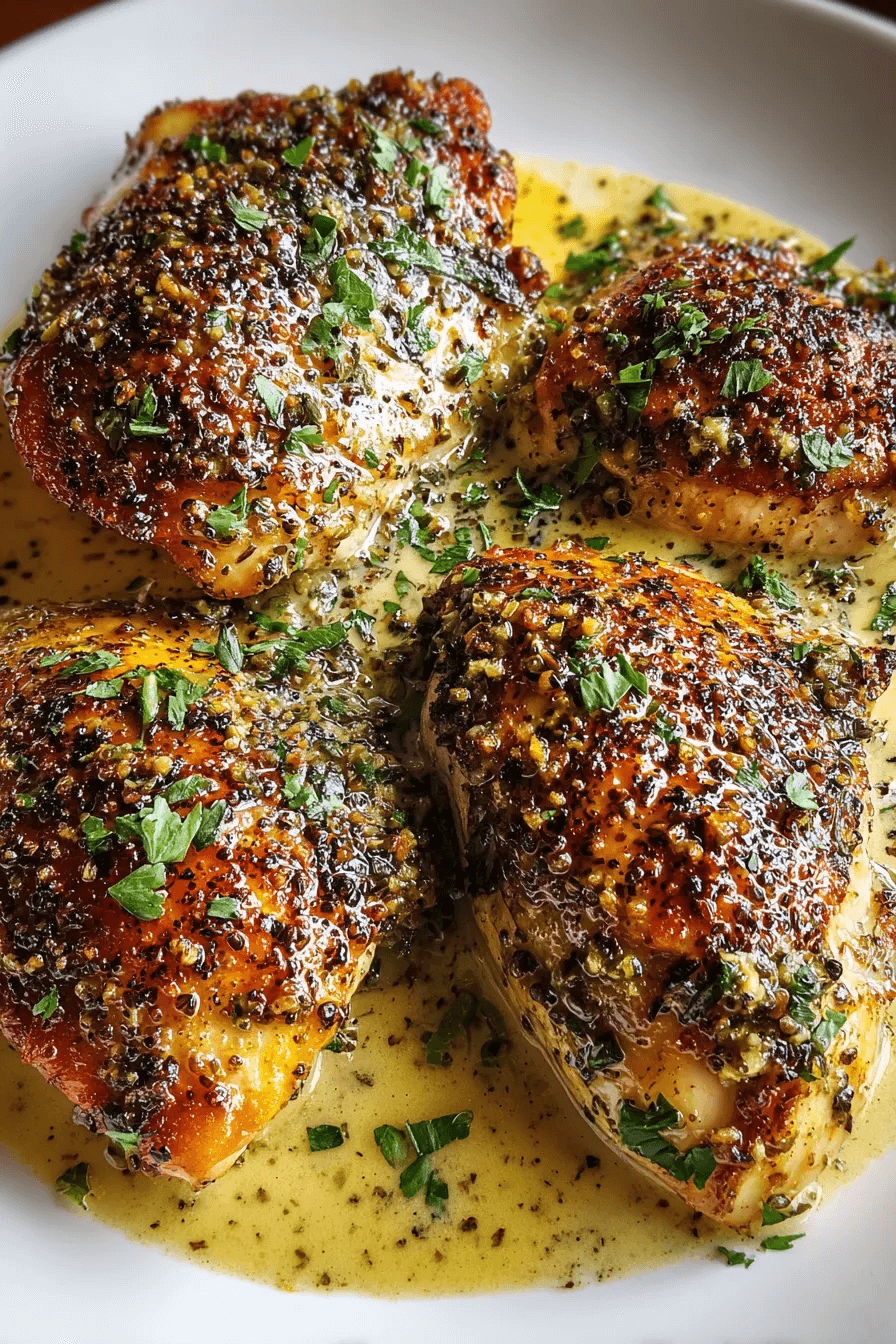
Plate the chicken and generously spoon the mustard sauce over the top. Pair it with your favorite sides, such as steamed vegetables or fluffy rice, and enjoy the warm, comforting flavors of this French classic.
Unlocking the Key to Flavorful Chicken
The success of French Mustard Chicken hinges on the quality of the ingredients. Using fresh herbs and high-quality Dijon mustard can elevate the flavor dramatically. The balance between the mustard’s zest and the creaminess of the sauce is pivotal; thus, using freshly ground ingredients as much as possible is recommended for optimal taste.
Mastering the Creamy Mustard Sauce
The creamy mustard sauce serves as the heart of the dish, which should be made gradually to ensure the right consistency. Be cautious with the heat; too high can cause the cream to curdle. A gentle simmer allows flavors to combine without risking the integrity of the cream, resulting in a luscious, velvety sauce that clings beautifully to the chicken.
Perfect Pairings for a Complete Meal
When serving French Mustard Chicken, consider sides that complement its rich flavors without overwhelming them. Classic choices include buttery mashed potatoes or a fresh green salad. A light, crusty baguette is ideal for soaking up the sauce, turning an already delightful meal into an unforgettable dining experience.
FAQs
What can I do if the sauce is too thick?
If the sauce becomes too thick, you can thin it by gradually stirring in a little chicken broth or water until the desired consistency is reached.
How can I scale this recipe for a larger gathering?
To scale this recipe, simply multiply the ingredient quantities by the number of servings desired, ensuring you have adequate skillet space or cook in batches for even results.
Can I use different cuts of chicken?
Yes, you can use thighs or drumsticks in place of breasts, but adjust cooking times accordingly, as dark meat generally takes longer to cook through.
Why is my mustard sauce too bland?
If your sauce tastes bland, try adding more Dijon mustard or a splash of white wine for an extra layer of flavor. Tasting and adjusting towards the end is crucial.
Is this dish suitable for meal prep?
This dish is excellent for meal prep! The flavors improve after sitting, making it a great option for lunches or dinners throughout the week.
What herbs can I use aside from thyme?
While thyme is the traditional herb used, you can also experiment with rosemary or tarragon for a slightly different flavor profile.
How do I prevent the chicken from being overcooked?
Use an instant-read thermometer to check for doneness; chicken should reach an internal temperature of 165°F for optimal juiciness.
Conclusion
French Mustard Chicken is more than just a meal; it's an experience that brings the warmth and charm of French cuisine into your kitchen. The creamy, tangy sauce combined with perfectly cooked chicken makes it a dish to remember.
With its straightforward preparation and impressive results, this recipe is perfect for both weeknight dinners and special occasions. Embrace the flavors, and enjoy the journey of cooking this delightful French classic.
Recipe Card
Notes
Additional serving suggestions: pair with a crisp salad, garlic bread, or roasted seasonal vegetables for balance.
For make-ahead, prep components separately and assemble just before heating to preserve texture.
Taste and adjust with acid (lemon/vinegar) and salt right at the end to wake up flavors.