
Introduction
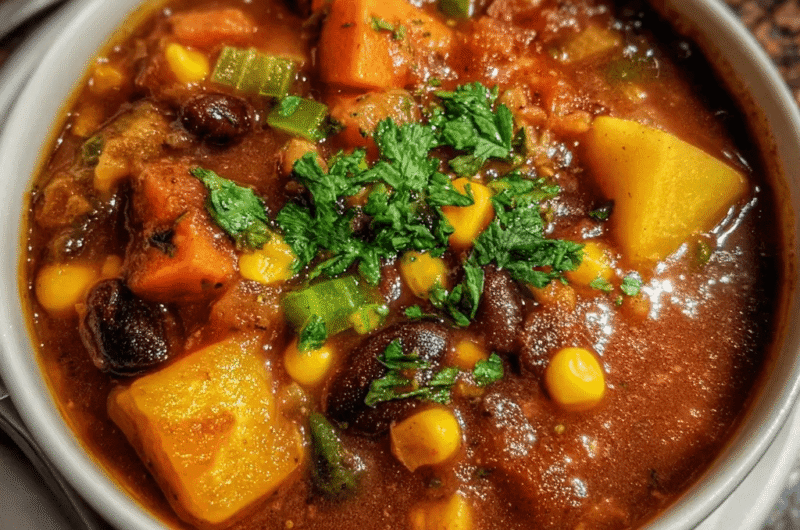
The Three Sisters Stew is not just a dish; it's a celebration of Native American agricultural wisdom, combining the essential crops of corn, beans, and squash. These staple ingredients, known as the 'Three Sisters', work harmoniously together, both in flavor and nutrition. As you prepare this stew, you delve into a rich cultural tradition that emphasizes sustainability and communal sharing.
Creating this dish allows home cooks to appreciate the vibrant flavors and textures that these ingredients offer. This stew is not only hearty and wholesome but also versatile, welcoming variations based on seasonal produce or personal tastes. Join me in exploring the ingredients and steps needed to bring this delightful and historic stew to your table.
Ingredients
- 2 cups corn kernels, fresh or frozen
Corn provides a natural sweetness and acts as the backbone of the stew, bringing texture and a delightful crunch. It is also a crucial source of carbohydrates and fiber. - 2 cups green beans, trimmed
Green beans add a crisp and bright element to the stew, enhancing the overall flavor profile with their slight earthiness and they also contribute vitamins A, C, and K. - 2 medium zucchini, cubed
Zucchini introduces a mild flavor and a tender texture that absorbs the spices beautifully, while adding moisture to the dish. - 2 cups diced tomatoes, canned or fresh
Tomatoes bring acidity and sweetness, balancing the richness of the other ingredients. Their juiciness helps create a flavorful broth. - 1 can (15 oz) black beans, rinsed and drained
Black beans are packed with protein and fiber, making the stew heartier. Their earthy flavor complements the sweeter ingredients. - 1 onion, diced
Onions provide a foundational flavor base, infusing the stew with sweetness and depth through their natural sugars. - 2 cloves garlic, minced
Garlic adds a robust and aromatic note, enhancing the overall character of the stew while offering health benefits. - 4 cups vegetable broth
The broth serves as the cooking medium for the stew, infusing it with additional flavor while allowing the ingredients to meld together. - 2 tablespoons olive oil
Olive oil aids in sautéing the vegetables and enhances the mouthfeel of the stew while contributing healthy fats. - 1 teaspoon ground cumin
Cumin offers a warm, earthy flavor that elevates the stew, adding complexity and a hint of smokiness. - Salt and pepper to taste
These essential seasonings amplify the natural flavors of the dish, balancing sweetness from the corn and tomatoes.
Directions & Preparation
Step 1: Heat olive oil in a large pot over medium heat.
Starting with heated olive oil is crucial for sautéing the onion and garlic. The oil helps to release their flavors quickly while preventing them from sticking to the bottom of the pot.
Step 2: Add diced onion and cook until translucent, about 5 minutes.
Cooking the onion until it’s translucent transforms its sharpness into a sweeter, more rounded flavor. It's essential to stir occasionally to prevent browning, which could impart a bitter taste.
Step 3: Stir in minced garlic and cook for an additional minute.
Garlic cooks rapidly, so it's vital to add it after the onion is softened. This allows the garlic to release its aromatic properties without burning, which could ruin the flavor.
Step 4: Add the diced tomatoes, corn, and zucchini to the pot, stirring well.
Adding tomatoes, corn, and zucchini introduces liquid and bulk to the stew. These ingredients create a colorful medley while allowing their respective flavors to meld together.
Step 5: Pour in the vegetable broth and season with cumin, salt, and pepper.
The broth is the heart of the stew, allowing all the ingredients to infuse flavors. Cumin, salt, and pepper are added next to build the foundation of the dish's seasoning.
Step 6: Bring the stew to a gentle simmer, then cover and reduce heat.
Simmering allows the flavors to coalesce beautifully. Covering the pot traps steam, ensuring even cooking while maintaining moisture.
Step 7: After 15 minutes, stir in the green beans and black beans.
Adding the beans later in the cooking process prevents them from becoming mushy. This is also when you can adjust thickness if desired, simply by adding more broth.
Step 8: Continue cooking for an additional 10-15 minutes until all vegetables are tender.
This step ensures that every element reaches the desired tender texture without losing shape. Check occasionally, stirring gently to avoid breaking the beans or zucchini.
Step 9: Taste the stew and adjust seasoning if necessary, then serve hot.
Final seasoning checks are crucial for a well-balanced dish. Serve the stew warm, allowing diners to enjoy the comforting aroma and rich flavors you've created.

The Nutritional Power of the Three Sisters
Corn, beans, and squash are more than foundational ingredients; they provide a complete protein profile when combined. This triad is rich in vitamins and minerals essential for a balanced diet, ensuring that every spoonful is as nutritious as it is delicious. The harmony of these ingredients embodies Native American agricultural practices that emphasize sustainability and respect for the earth.
Variations on a Traditional Theme
While this recipe celebrates the classic Three Sisters, feel free to customize it by adding seasonal vegetables or spices. Sweet potatoes or bell peppers can enhance the sweetness and depth of the stew. Experimentation is encouraged, as traditional cooking often blends personal preferences with cultural essence, making it your own.
Serving and Pairing Suggestions
This stew stands wonderfully on its own but can be paired with crusty bread or cornbread to soak up the flavorful broth. Consider serving it alongside a crisp green salad to introduce a refreshing element to the meal. Such combinations allow for a satisfying dining experience that reflects community and sharing.
FAQs
What if the stew is too thick?
If your stew turns out too thick, gradually stir in additional vegetable broth or water until the desired consistency is reached. This will thin the stew without compromising its flavor.
How can I make the stew more flavorful?
To enhance flavor, consider adding more spices like smoked paprika or cayenne for heat, or finishing it with a squeeze of fresh lime to brighten the taste.
Can I use other types of beans?
Yes, feel free to use other beans like kidney or pinto beans in place of black beans, keeping in mind that different beans may have distinct cooking times.
What if my vegetables are overcooked?
If your vegetables become overcooked and mushy, try adding fresh, crisp veggies right before serving to add texture back to the dish.
Can I use frozen vegetables in this recipe?
Absolutely! If using frozen corn or green beans, just add them directly to the pot; they will heat through as the stew simmers.
What can I do if it tastes bland?
If the stew tastes bland, try adding a splash of vinegar or hot sauce for acidity. Adjust salt and pepper as needed to enhance the overall flavor.
Conclusion
Making Native American Three Sisters Stew is not just an opportunity to nourish your body but also to connect with a rich cultural legacy. Every ingredient tells a story of sustainability, community, and the importance of respecting our natural resources.
As you gather around the table to enjoy this hearty dish, remember that cooking is an act of love and sharing. This stew invites you to share with others, reflecting the communal spirit at the heart of traditional Native American practices.
Recipe Card
Notes
Additional serving suggestions: pair with a crisp salad, garlic bread, or roasted seasonal vegetables for balance.
For make-ahead, prep components separately and assemble just before heating to preserve texture.
Taste and adjust with acid (lemon/vinegar) and salt right at the end to wake up flavors.