Introduction
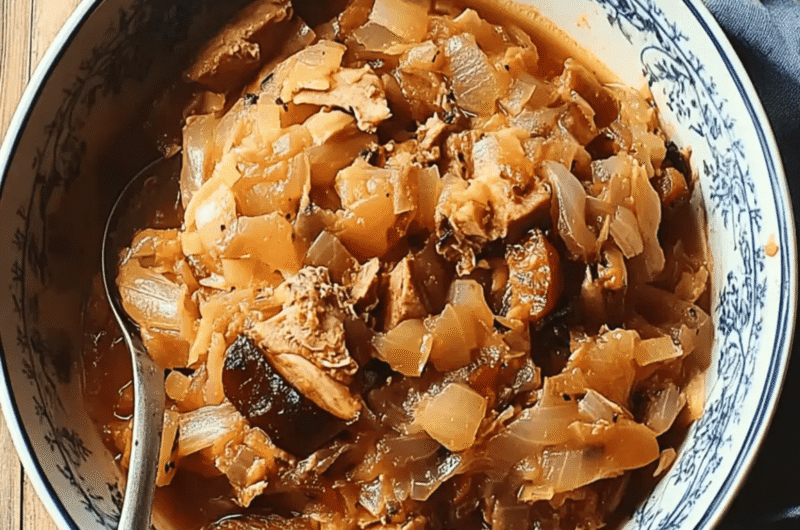
As the chill of winter settles in, few dishes provide warmth and comfort quite like Polish Bigos. This hearty stew, traditionally referred to as 'hunter's stew', embodies the essence of comfort food with its rich, savory flavors and inviting aroma. Originating from Poland, Bigos is a beloved staple that has been cherished for generations, making it a perfect dish for cozy nights spent with family and friends.
The beauty of Bigos lies in its adaptability; it can be made with a delightful combination of meats, sauerkraut, and fresh cabbage, simmered slowly to develop deep, complex flavors. It’s a dish that tells stories of Polish culinary traditions, with every bite offering a taste of home. Whether enjoyed on a cold evening or as part of a festive gathering, Bigos is bound to warm your heart and your stomach.
Ingredients
- 2 cups sauerkraut
Sauerkraut not only adds a tangy flavor to Bigos but also contributes essential probiotics. Its fermentation process infuses the stew with depth, balancing the rich flavors of the meats. - 1 medium head green cabbage, chopped
Fresh cabbage provides a hearty texture and sweetness to the stew. It cooks down beautifully, complementing the sauerkraut and enhancing the overall taste. - 1 pound pork shoulder, cut into cubes
Pork shoulder is ideal for slow cooking, resulting in tender, juicy pieces that release savory flavors into the stew. It forms the meat base of this hearty dish. - 1 pound kielbasa, sliced
Kielbasa adds a smoky flavor that is quintessential to Bigos. Its richness contributes to the stew's savory profile, ensuring every bite is packed with flavor. - 1 pound beef chuck, cut into cubes
Beef chuck brings additional depth and a different texture to the stew. As it cooks, the meat becomes fall-apart tender, enriching the stew's overall heartiness. - 1 large onion, diced
Onion forms the aromatic base of the stew, providing natural sweetness and depth. They become soft and flavorful as they caramelize during cooking. - 3 cloves garlic, minced
Garlic adds a pungent kick and aroma to the dish. It enhances the overall flavor profile, balancing the richness of the meats. - 1 tablespoon tomato paste
Tomato paste introduces a slight acidity and contributes to the stew's rich color. It helps to meld the flavors together, giving Bigos a rounded taste. - 2 bay leaves
Bay leaves infuse the stew with subtle, herbal notes that elevate its complexity. Remember to remove them before serving, as they can be tough if eaten. - 1 teaspoon caraway seeds
Caraway seeds lend a distinctive anise-like flavor that is traditional in many Eastern European dishes. They enhance the stew's character and contribute to its authenticity. - 4 cups beef broth
Beef broth serves as the liquid foundation of the stew, enriching it with a meaty flavor. It provides moisture and aids in the slow cooking process. - Salt and pepper to taste
Seasoning with salt and pepper is crucial in building flavor. Adjusting these at the end of cooking can help achieve balance in the dish.
Directions & Preparation
Step 1: Prepare the ingredients.
Begin by gathering all your ingredients and preparing them for use. Chop the cabbage, cube the meats, and dice the onion. Ensuring everything is ready allows you to focus on the cooking process without interruptions. This step is crucial as it sets the pace for your cooking, ensuring a smooth flow.
Step 2: Brown the meats.
In a large pot or Dutch oven, heat a bit of oil over medium-high heat. Add the pork shoulder and beef chuck cubes, browning them on all sides. This step adds color and depth to the meat, creating a flavorful base for your stew. The caramelization enhances the overall taste as these browned bits will dissolve into the stew during cooking.
Step 3: Sauté the onion and garlic.
Remove the browned meats and set them aside. In the same pot, lower the heat and add the diced onion and minced garlic. Sauté until the onions are translucent and fragrant. This step is essential as it builds the aromatic foundation for Bigos. The heat should be moderate to avoid burning the garlic, which can impart a bitter taste.
Step 4: Stir in tomato paste and spices.
Add the tomato paste, caraway seeds, and bay leaves to the sautéed mixture, stirring well. This step incorporates crucial flavors and enables the tomato paste to caramelize, deepening its taste. As the tomato paste cooks, it will meld into the aromatic base, providing richness to your stew.
Step 5: Add the meats and liquids.
Return the browned pork and beef to the pot, followed by the sliced kielbasa, sauerkraut, chopped cabbage, and beef broth. Stir everything to combine well. This step layers flavors and textures, and the broth provides the necessary liquid for slow cooking, ensuring the meats and vegetables become tender.
Step 6: Simmer the stew.
Bring the mixture to a gentle boil, then reduce the heat to low, covering the pot with a lid. Let it simmer for at least two hours, stirring occasionally. This slow cooking process is vital as it allows flavors to meld together, and the vegetables and meats to become tender. The longer it simmers, the better it becomes, making this a great dish for a leisurely afternoon.
Step 7: Taste and adjust seasoning.
Once the stew is done simmering, taste and adjust seasoning with salt and pepper. This final adjustment is important; it brings out the flavors effectively. Remember, the stew will develop more character as it cools and sits, so don’t be afraid to make it slightly bolder.
Step 8: Serve and enjoy.
Ladle the Bigos into bowls, optionally garnishing with fresh parsley. Enjoy it hot, perhaps with bread or potatoes on the side. Serving this dish warm not only comforts but also highlights the rich, complex flavors developed during cooking, creating a truly satisfying meal.
The Importance of Slow Cooking
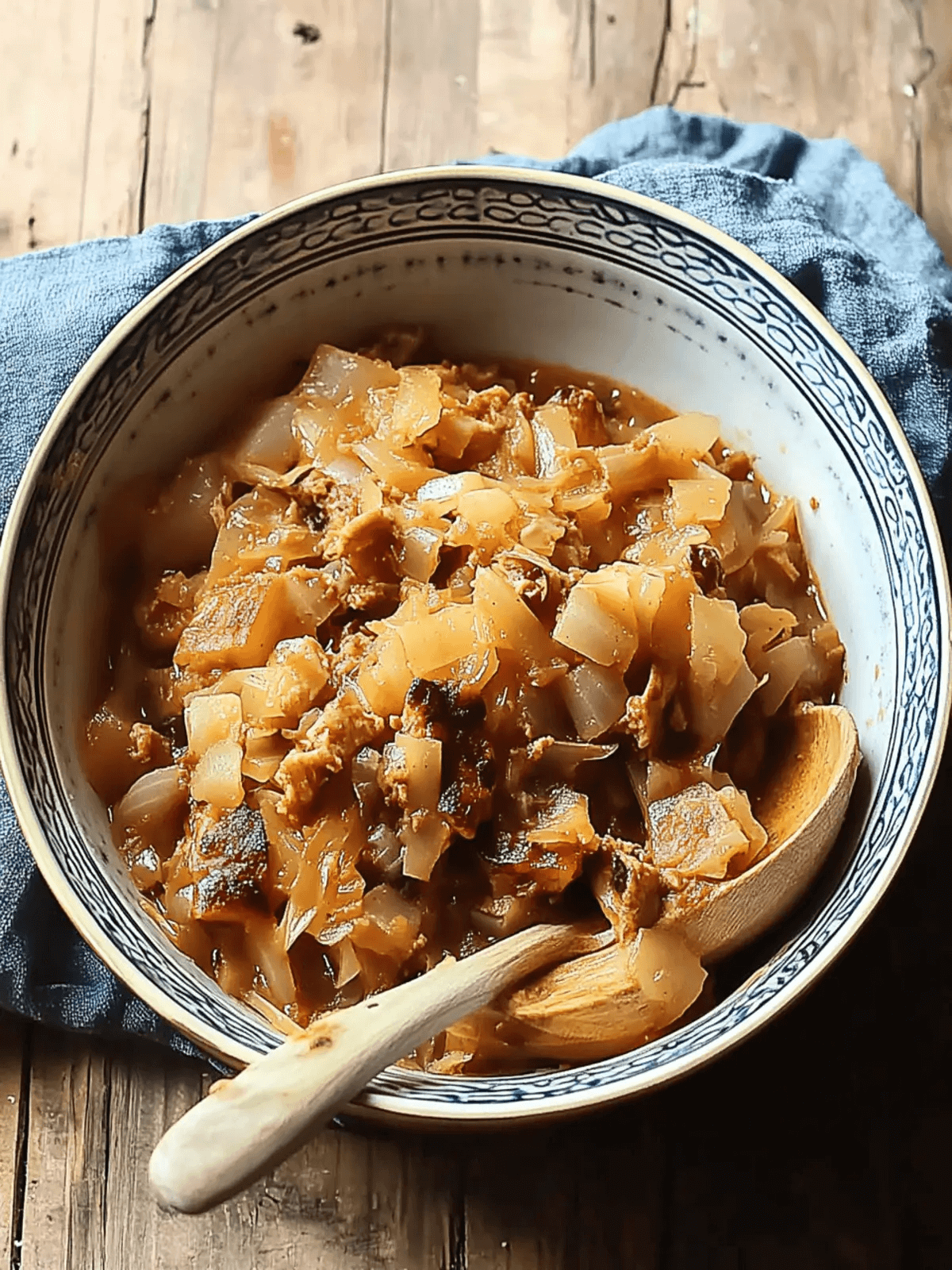
Slow cooking is at the heart of Bigos preparation. It allows the flavors to meld beautifully and the meats to become exceptionally tender. By simmering the stew for hours, you unlock a flavor complexity that is simply unattainable through faster cooking methods. This patience in the kitchen pays off, as the stew improves in taste, creating a warming and hearty dish that is reminiscent of traditional Polish homes.
Variations to Explore
While traditional Bigos consists of specific meats and cabbage, there’s room for creativity. Some variations incorporate mushrooms for an earthy depth or even add apples for a hint of sweetness. Veggies like carrots can also be included for a textural contrast. Experimenting with additional ingredients can personalize the dish, allowing you to discover your own signature version while honoring its roots.
Serving Suggestions
Bigos is often best served with freshly baked bread, perfect for soaking up the rich stew. For a more heartwarming meal, pair it with hearty rye bread or smooth mashed potatoes. A side of pickles can provide a refreshing crunch that balances the stew’s richness. Whether served at a family gathering or a cozy dinner for two, the right accompaniments can elevate the warmth of this classic dish.
FAQs
What if my Bigos turns out too thick?
If your Bigos is too thick, simply add a bit more beef broth or water while it simmers until you reach your desired consistency.
Can I use different types of meat in Bigos?
Yes, feel free to mix different meats like chicken, duck, or even game meats for a unique take on Bigos. Just adjust the cooking time accordingly for tender results.
How can I prevent the cabbage from becoming mushy?
To prevent mushy cabbage, add it towards the end of the cooking process instead of letting it simmer for the entire time. This preserves its texture.
What if the stew tastes bland?
If your Bigos lacks flavor, consider adding more salt, pepper, or a splash of vinegar to brighten the flavors. A touch of smoked paprika can also enhance the overall profile.
Can I prepare Bigos in advance?
Absolutely! Bigos tastes even better the next day, as the flavors meld. Just reheat gently on the stove before serving.
What can I do if the stew is too runny?
If your Bigos is too runny, let it cook uncovered for a while, stirring frequently. This allows excess liquid to evaporate and concentrate the flavors.
Conclusion
Polish Bigos is more than just a dish; it's a celebration of flavors and a symbol of comfort during chilly nights. With its hearty meats and vibrant vegetables, this stew warms both body and soul. Each spoonful tells a story of tradition, warmth, and shared meals, making it a perfect addition to your culinary repertoire.
As you gather around the table with loved ones, let the rich aroma and inviting flavors of Bigos bring you together. Embrace the comfort of this authentic Polish stew and enjoy the satisfaction of a meal made with love.
Recipe Card
Notes
Additional serving suggestions: pair with a crisp salad, garlic bread, or roasted seasonal vegetables for balance.
For make-ahead, prep components separately and assemble just before heating to preserve texture.
Taste and adjust with acid (lemon/vinegar) and salt right at the end to wake up flavors.